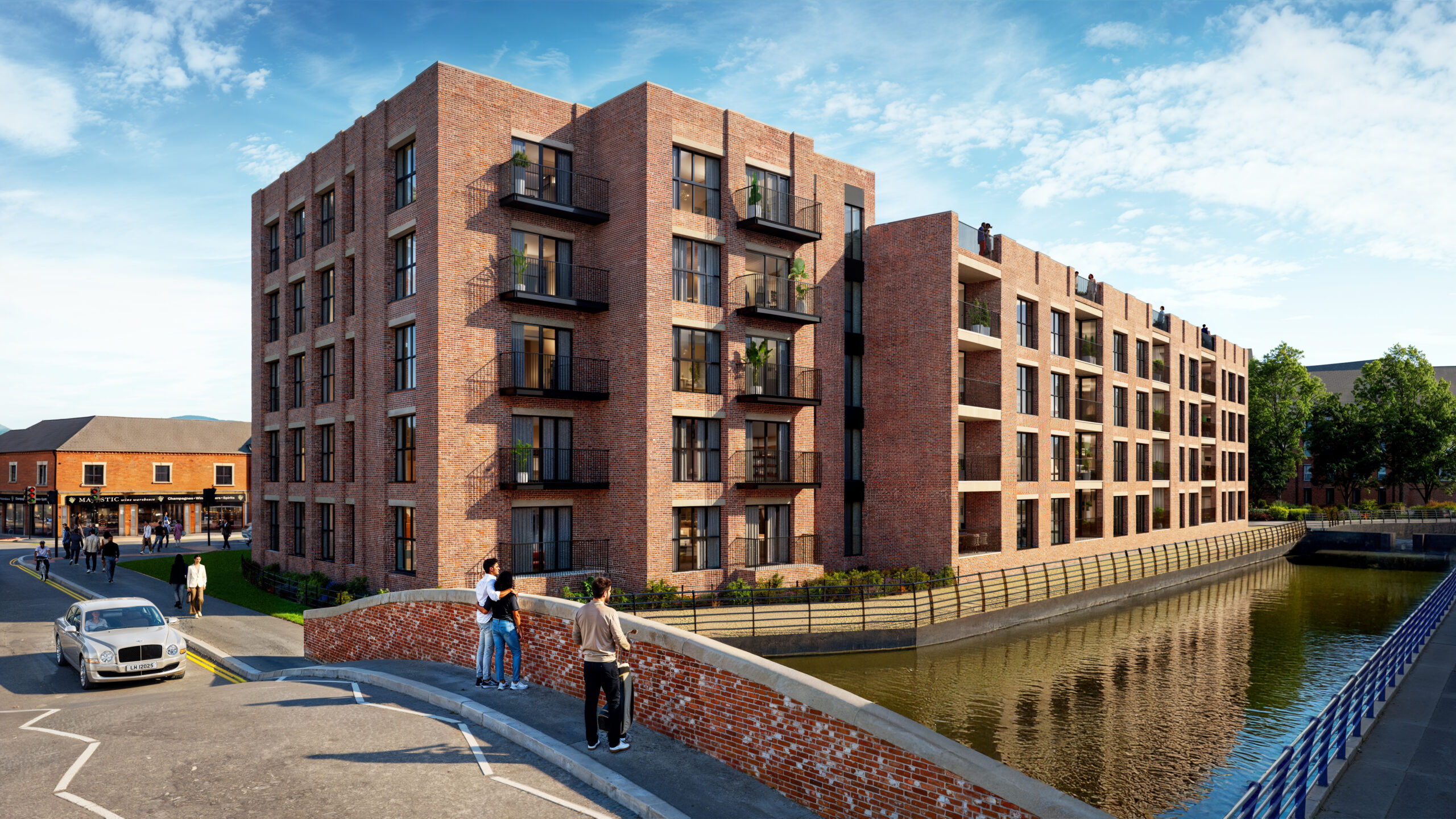
Off-Plan Property Investment in the UK

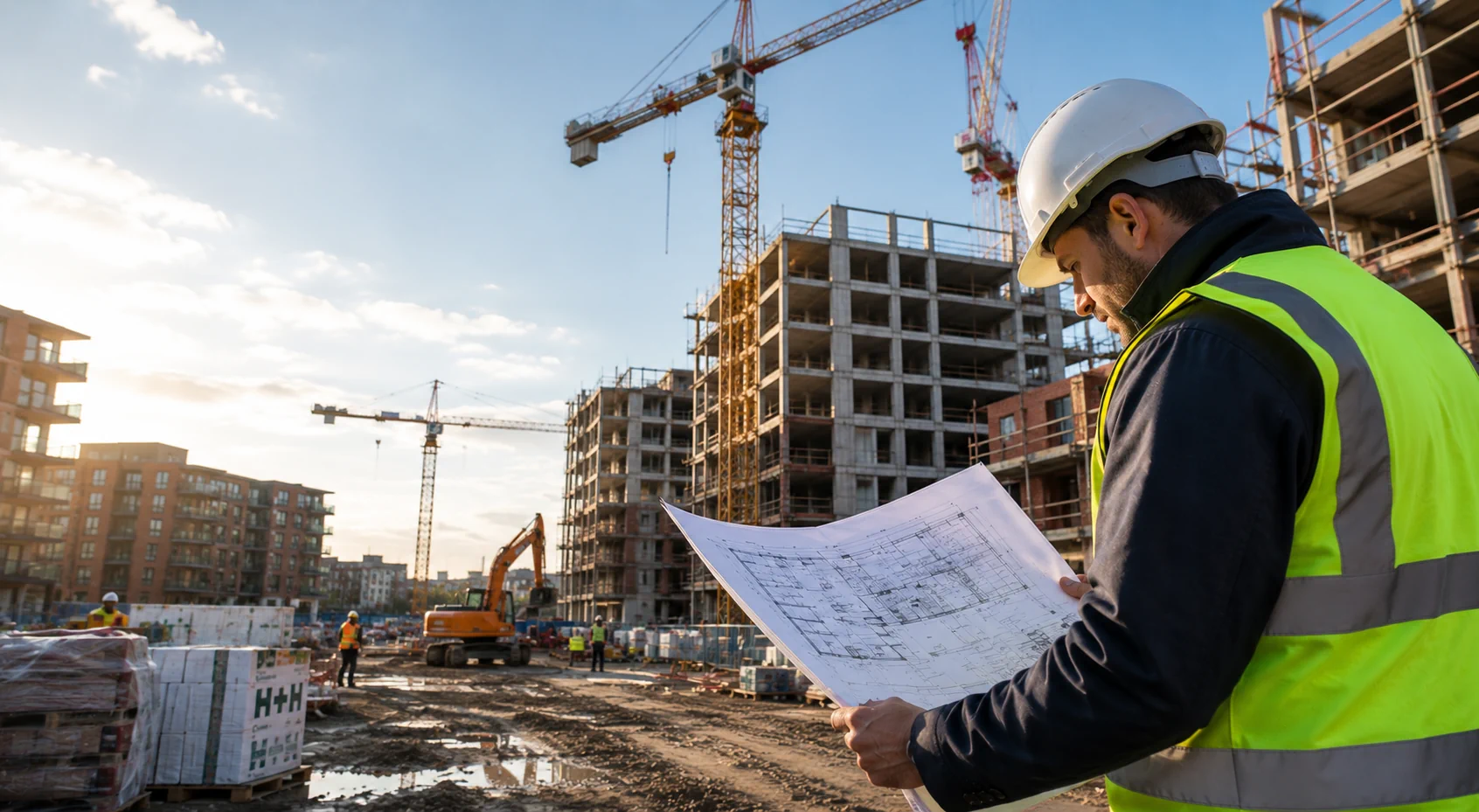
Understanding Off-Plan Property Investment
Off-plan property investment involves purchasing a property before it is built or completed. Investors commit to a development at an early stage, often based on plans, specifications, and projected outcomes.
This approach is commonly associated with new-build developments and is widely used in both UK and international property markets. Investors considering off-plan opportunities typically evaluate location, developer track record, and long-term growth potential.
What Is Off-Plan Property Investment?
In an off-plan investment, buyers secure a property before construction is complete, sometimes at the earliest stages of a development. Pricing is usually agreed in advance, with completion occurring at a later date once the property is ready.
This model differs from purchasing completed property, as investors are committing based on future delivery rather than an existing asset.

How Off-Plan Investment Works?
The off-plan investment process typically includes:
- Reserving a unit within a new development
- Paying an initial deposit
- Completing the purchase upon construction completion
- Preparing the property for rental or resale
Timelines can vary depending on the development schedule, ranging from several months to multiple years.
Key Features of Off-Plan Property Investment
Early-Stage Entry Pricing
Properties are often secured at an earlier stage of development, before completion.
New-Build Developments
Off-plan investments are typically part of new residential developments or regeneration projects.
Delayed Completion Timeline
Ownership is finalised once construction is completed, not at the point of reservation.
Potential for Value Growth During Build
Property value may change between purchase and completion depending on market conditions.
Developer-Led Delivery
The outcome of the investment depends on the developer completing the project as planned.
Structured Payment Stages
Payments are usually made in stages, including deposits and final completion.
Modern Property Specifications
New-build properties often include updated layouts, energy efficiency, and contemporary design.
Linked to Development Opportunities
Off-plan investments are closely tied to wider property development projects and location growth.

Advantages and Considerations
Off-plan property investment offers access to new-build opportunities and the potential to secure property at an earlier stage of development. It may appeal to investors seeking exposure to regeneration areas and modern housing supply.
However, this approach also involves waiting periods, reliance on developer delivery, and exposure to market conditions at the point of completion. Understanding these factors is essential when evaluating off-plan opportunities.
Risks and Timelines
Off-plan investments involve a forward-looking commitment, which means timelines and outcomes are influenced by construction progress and market conditions. Delays in development or changes in the property market can affect completion timing and overall performance.
Investors should consider build timelines, developer track record, and market trends when assessing off-plan opportunities.

Off-Plan Compared to Completed Property Investment
Unlike completed property investments, off-plan purchases are based on projected outcomes rather than existing assets. Completed properties allow immediate rental income, while off-plan investments involve a waiting period before the property becomes operational.
Off-plan may offer earlier access to developments, while completed property provides immediate visibility and income potential.


Who Is Off-Plan Property Investment Suitable For?
Off-plan property investment may be suitable for:
- Investors seeking exposure to new-build developments
- Individuals comfortable with delayed timelines
- Investors targeting growth linked to regeneration areas
- Those exploring both UK and international development opportunities
Explore Your Investment Scenario
Off-plan property investment offers a structured way to access new developments at an early stage, with outcomes linked to project delivery and market conditions.
Understanding how this strategy works allows investors to evaluate whether off-plan opportunities align with their investment approach and long-term objectives.

Frequently Asked Questions About Off-Plan Property Investment
- What does off-plan property mean?
Off-plan property refers to buying a property before it is built or completed. Investors commit based on plans, specifications, and developer details, with the property delivered at a later date.
- How do you buy an off-plan property?
The process typically involves reserving a unit, paying a deposit, exchanging contracts, and completing the purchase once construction is finished. Legal and financial checks are carried out during this period.
- What deposit is required for off-plan property?
Risks include construction delays, developer issues, market changes before completion, and potential differences between plans and the finished property. Due diligence is essential.
- What are the risks of off-plan property investment?
Residents may include neurodiverse individuals, people with learning disabilities, care leavers, veterans, individuals transitioning from emergency accommodation, those recovering from substance abuse and survivors of domestic abuse. Allocation is managed through structured local authority referral pathways.
- Can you get a mortgage on an off-plan property?
Yes, but mortgage approval is usually arranged closer to completion rather than at the initial purchase stage. Lenders assess the property value and the buyer’s financial position at that time.
- Why do investors choose off-plan property?
Investors often choose off-plan property for access to new-build developments, potential early pricing advantages, and the ability to select units before completion.