Property Investment in Birmingham
Birmingham is one of the UK’s major property investment markets, with a large and diverse economy, strong housing demand and ongoing regeneration creating opportunities for investors. Explore the Birmingham market, understand the factors that influence local investment and discover current property opportunities available through 365 Invest.
Birmingham Property Investment Overview
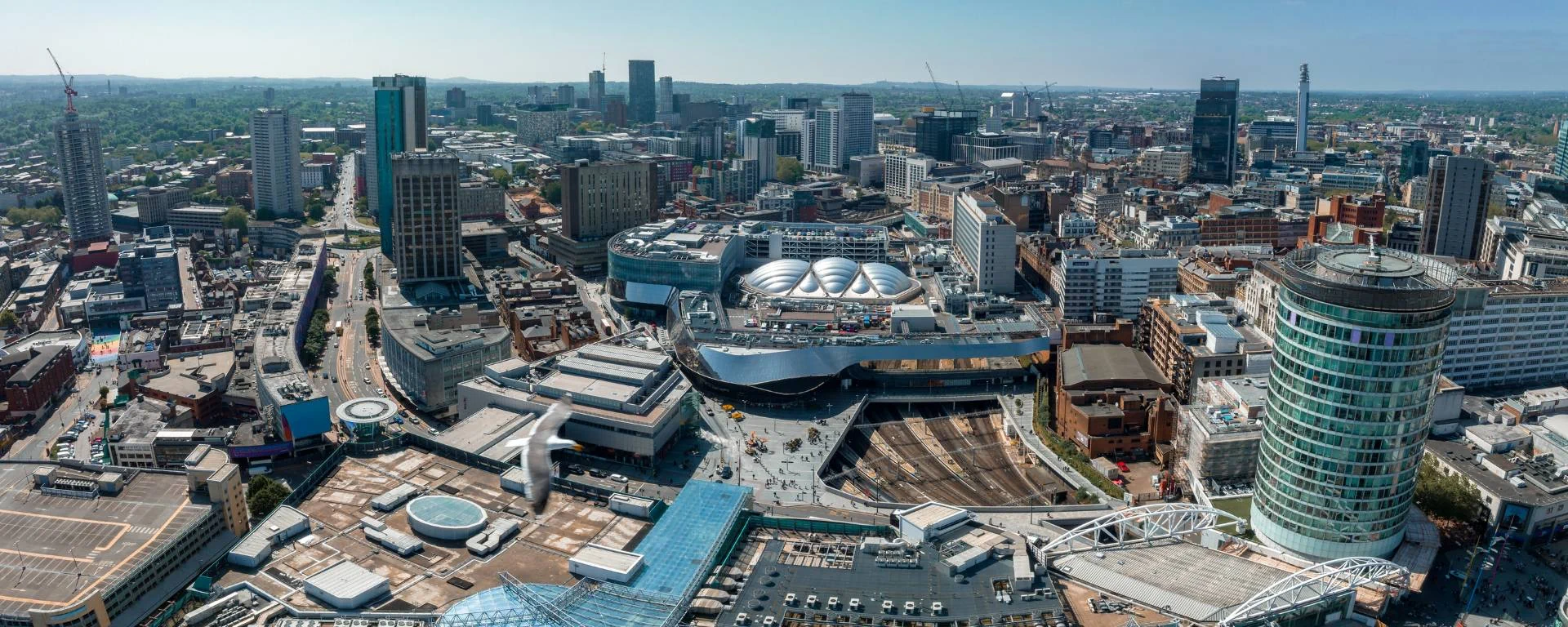
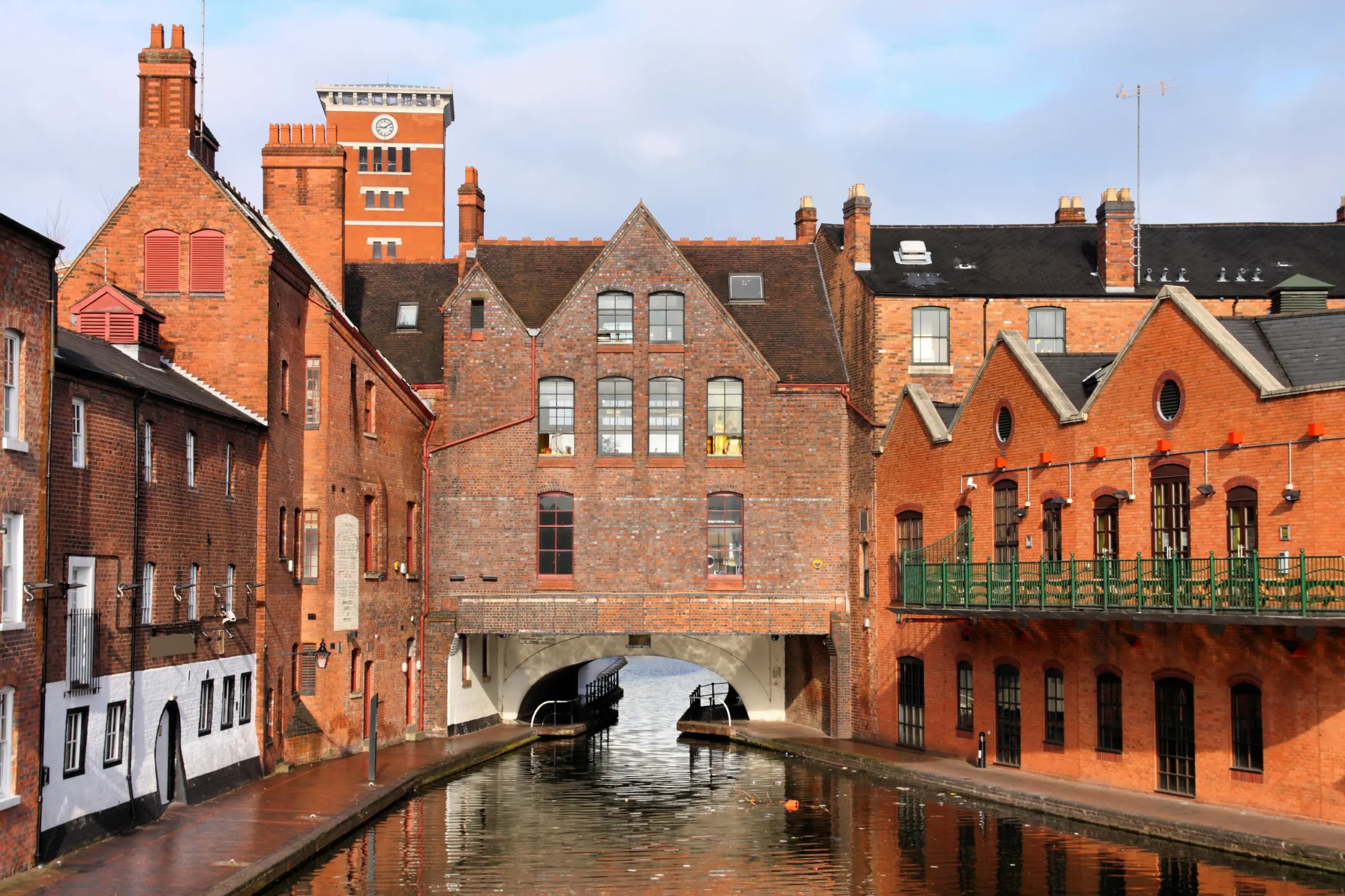
Birmingham is one of the UK’s most diverse cities, with more than 180 nationalities represented among its population. The city combines historic architecture and cultural attractions with modern developments, major sporting venues and a large higher education sector. Its diverse population and established education and cultural infrastructure contribute to Birmingham’s appeal as a place to live, study and work. UK Government’s Birmingham 2022 Commonwealth Games report
Birmingham has also attracted major businesses and investment from outside the region. Goldman Sachs opened its first Birmingham office in 2021 and subsequently agreed a long-term lease for a 110,000 sq ft office at One Centenary Way, part of the £1.2 billion Paradise Birmingham development. The company had filled nearly 250 positions in the city within its first year, demonstrating the scale of employment and business investment being attracted to Birmingham. Goldman Sachs’ Birmingham office announcement
Birmingham’s continued development and investment in infrastructure provide important context for its property market. The latest Savills mainstream forecast expects residential property prices across the West Midlands to increase by 24.6% between 2026 and 2030, compared with 22.2% across the UK. This is a regional forecast rather than a Birmingham-specific prediction, and actual property performance will vary according to location, property type and market conditions. Savills’ latest mainstream residential forecast
Why Invest in Birmingham Property?
Birmingham offers a combination of economic growth, population growth, strong connectivity and rental demand that makes it an important UK property investment market. The factors below provide context for understanding the city’s investment fundamentals and why Birmingham continues to attract property investors.
Economic Growth
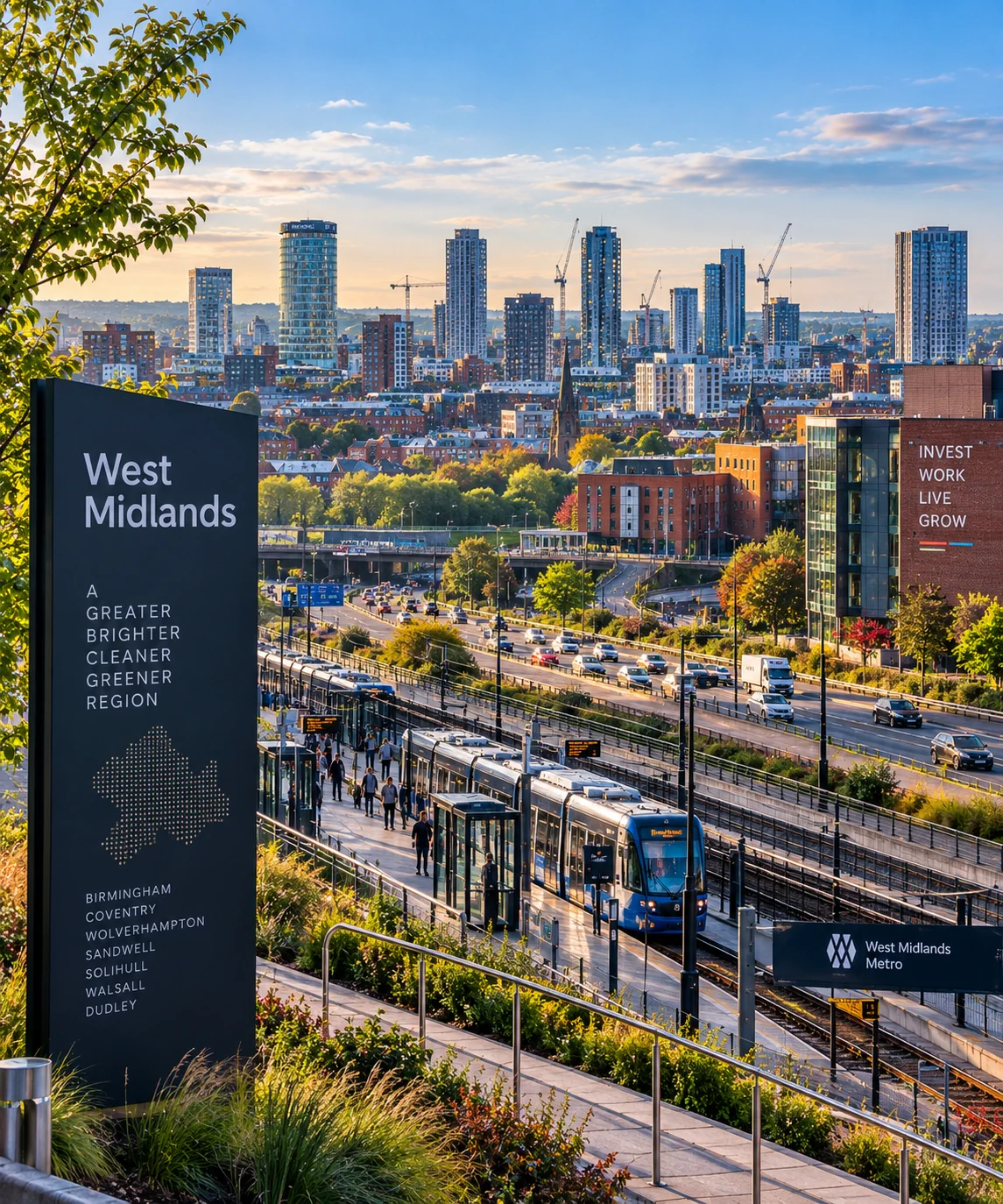
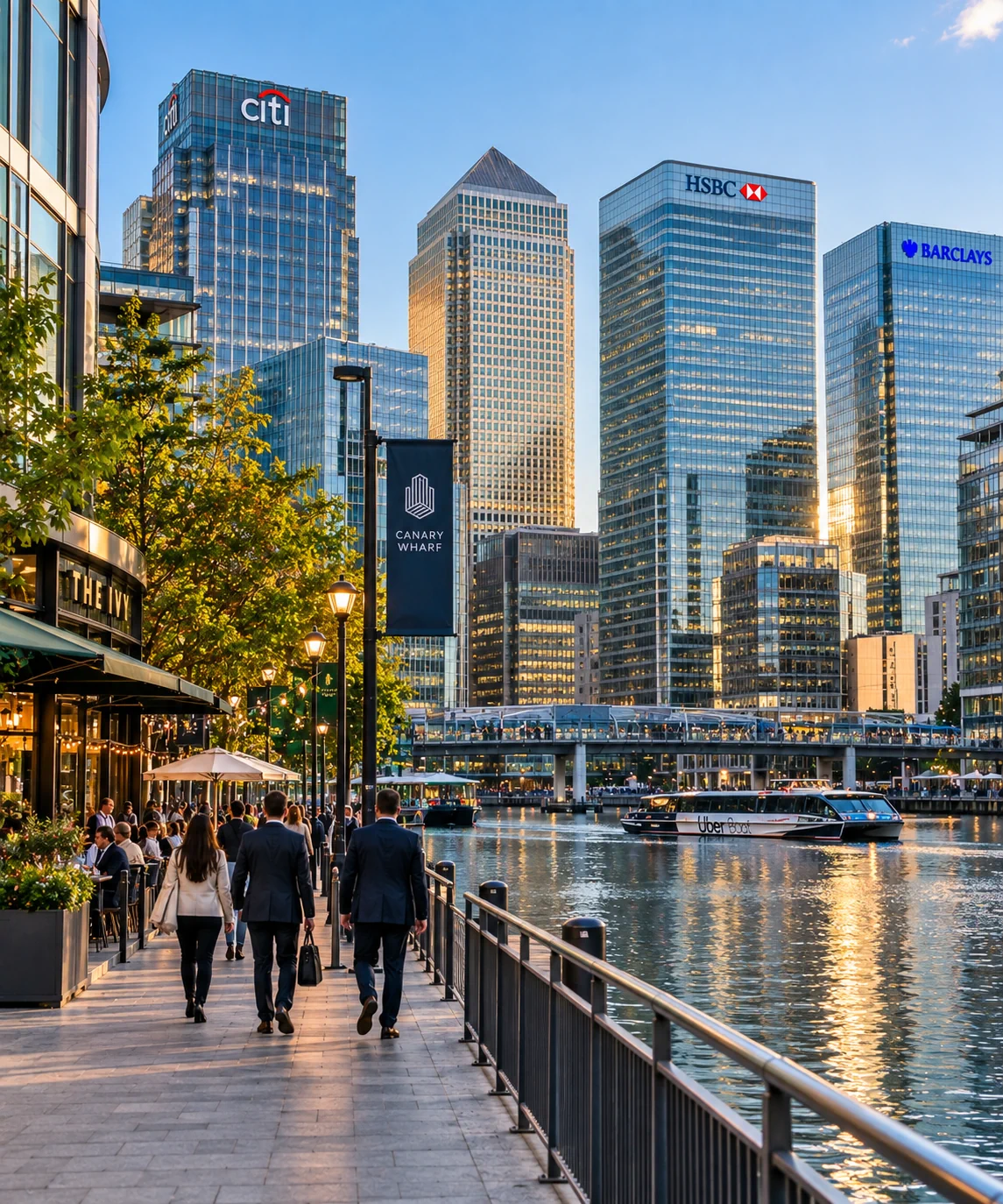
Birmingham has strong foundations as a business and investment location, with Birmingham’s economic growth attracting continued attention from businesses and investors. The city is ranked second in the UK for new business start-ups, behind London, and its economy grew by £1 billion, or 2.7%, between 2022 and 2023, according to Birmingham City Council’s latest economic data.
The city’s economy is supported by a diverse mix of sectors, including business and professional services, finance, public services, education and technology. The wider West Midlands technology sector has also expanded significantly, reaching around 144,000 employees and £15.8 billion in economic value-add in 2025, according to the West Midlands Tech Review 2025.
For property investors, Birmingham’s expanding economy and diverse employment base provide an important foundation for housing demand. Business growth, employment and inward investment can attract workers and households to the city, supporting demand for residential property.

Population Growth
Birmingham has a population of more than 1.18 million and one of the youngest demographic profiles of any major UK city. Around 36.8% of residents are aged under 25, compared with 29.1% across England, according to Birmingham City Council’s latest population and demographic data.
Education is an important part of this demographic profile. Birmingham’s universities supported more than 83,000 full-time students during the 2022/23 academic year, with 83,335 full-time students recorded in the latest available data.
For property investors, Birmingham’s large, young and diverse population provides an important source of housing demand. Students, graduates, young professionals and families have different accommodation requirements, creating opportunities across different property types and locations.
Tourism Growth
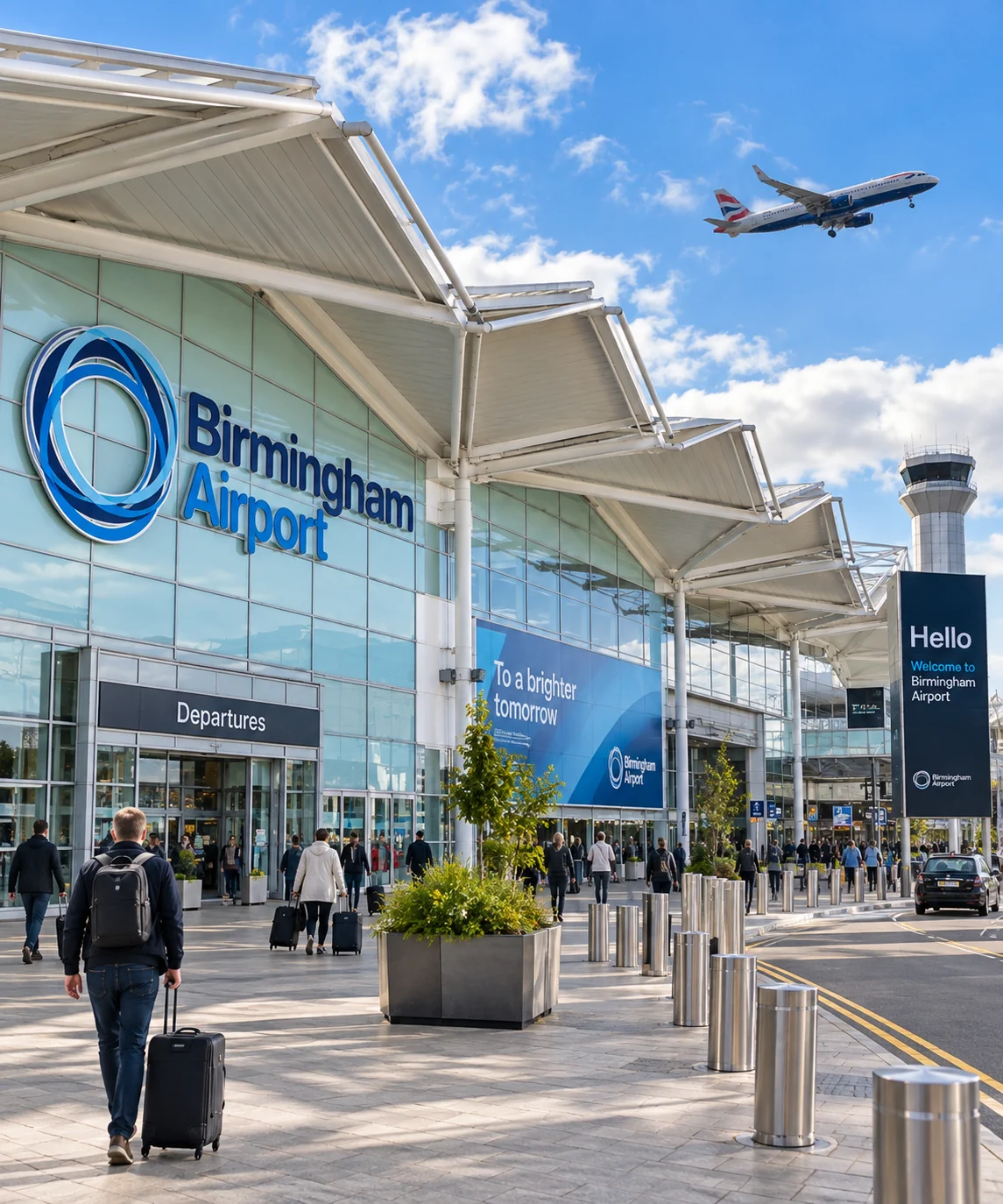
Birmingham’s central location provides extensive road, rail and air connections, while Birmingham Airport provides international access to the city and wider region.
Birmingham Airport handled a record 13.004 million passengers during the 2024/25 financial year and was forecasting close to 14 million passengers for 2025/26. The airport is also expanding its North Terminal departure lounge by almost 40% as part of continued investment in capacity and infrastructure, according to Birmingham Airport.
For property investors, strong connectivity and visitor activity support Birmingham’s wider economic appeal. Transport links improve access to employment, education and amenities, while continued infrastructure investment can influence the attractiveness of individual locations.
Rental Demand
Birmingham has a large and diverse private rental market serving students, young professionals, families and other households. According to the latest ONS Birmingham housing data, average private rent reached £1,093 per month in July 2026, up 2.8% from the previous year.
Rental values vary significantly by property size. In July 2026, average monthly rents were £825 for one-bedroom properties, £997 for two bedrooms, £1,127 for three bedrooms and £1,569 for properties with four or more bedrooms. The average Birmingham house price was £234,000 in June 2026.
For investors, these figures provide useful context when assessing Birmingham’s rental market. Purchase price, achievable rent, property type, tenant demand, operating costs and location all need to be considered together when evaluating an individual investment opportunity.
Explore the Birmingham Property Market
Birmingham’s investment fundamentals provide an important starting point, but individual property performance depends on the local market. Explore current property prices, rental values and the factors that can influence investment opportunities across Birmingham.

Birmingham Property Market
Birmingham’s property market covers a wide range of residential opportunities, from city-centre apartments and student accommodation to family homes and developments in established suburban areas. The right investment depends on the relationship between purchase price, rental demand, tenant profile, ongoing costs and potential long-term growth.
Birmingham’s property market varies significantly between property types and individual locations. City-centre apartments, student accommodation, family homes and developments in established suburban areas can each appeal to different tenant markets and investment strategies.
Birmingham’s market should therefore be assessed at a local level. Factors such as proximity to employment centres, universities, transport links, regeneration projects, amenities and existing rental demand can all influence the performance of an individual investment.

Key Areas for Property Investment in Birmingham
Birmingham contains a broad range of neighbourhoods, each with different property markets, tenant profiles and investment characteristics. Investors should consider the local market rather than treating Birmingham as a single investment area.
Birmingham City Centre offers proximity to major employment, retail, leisure and transport facilities, making it particularly relevant for investors considering apartments and professional rental markets.
Jewellery Quarter has an established residential market alongside its commercial, creative and leisure uses. Its location close to the city centre makes it an area worth considering for investors targeting professionals and city-based tenants.
Digbeth is undergoing significant regeneration, with Birmingham City Council’s Digbeth Prospectus 2025 outlining investment opportunities across development sites that could deliver more than 6,000 homes and 300,000 square metres of commercial space.
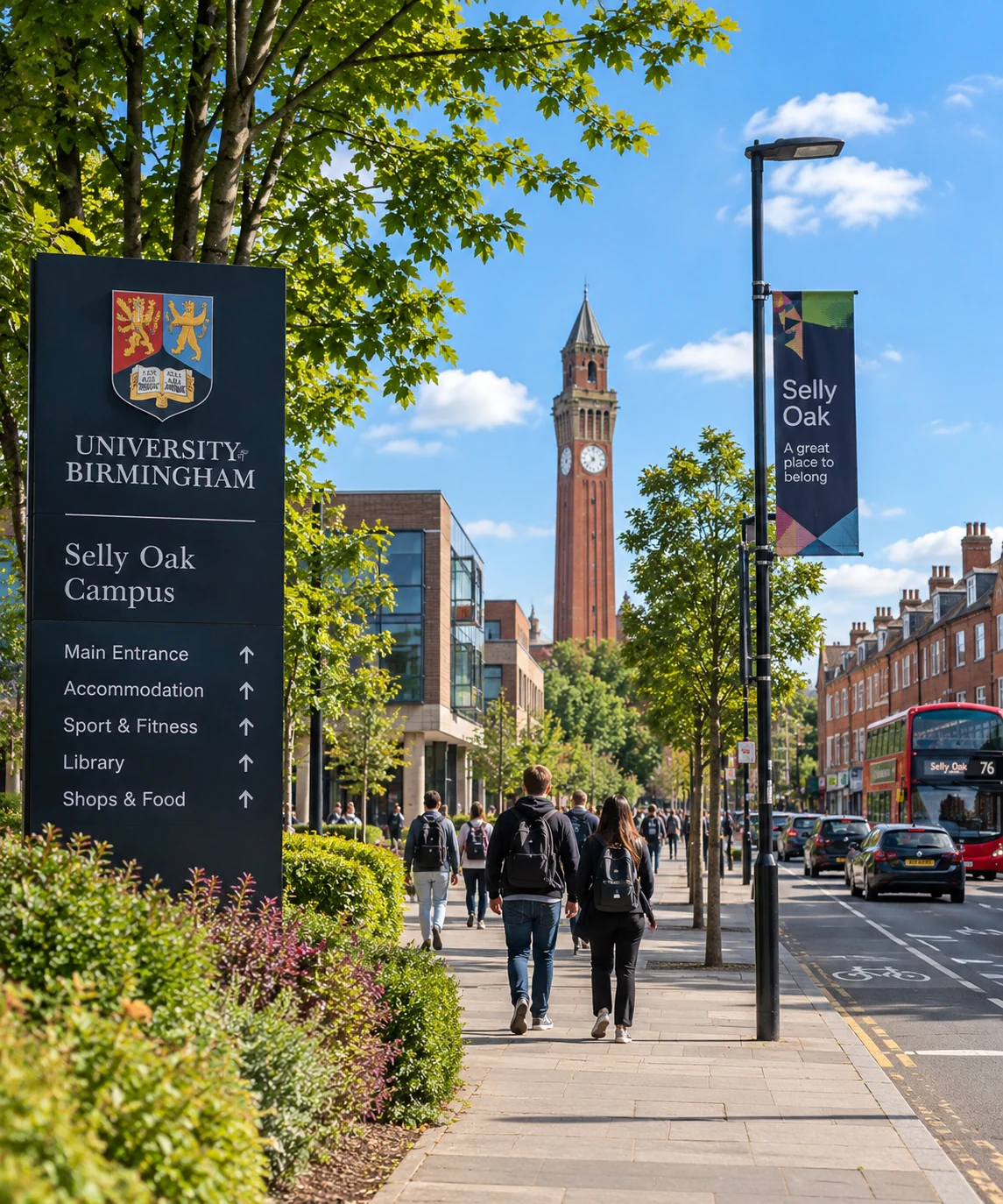
Selly Oak benefits from its proximity to the University of Birmingham, Queen Elizabeth Hospital and associated employment and education facilities. Its established student and professional rental markets make it particularly relevant to investors considering tenant demand linked to the university and healthcare sectors.
Edgbaston provides a different investment profile, with established residential neighbourhoods, universities, healthcare facilities and access to Birmingham city centre.
Gun Quarter sits close to Birmingham city centre and benefits from its proximity to employment, retail, leisure and transport facilities. Its mix of residential developments and city-centre connectivity makes it relevant to investors considering professional rental markets.
Southside and Smithfield are closely connected to Birmingham city centre and significant regeneration activity. The area includes major residential development and investment opportunities, making local development plans and the timing of individual schemes important considerations for investors.
Property Types and Investment Strategies
Birmingham supports several different approaches to residential property investment. The most appropriate strategy depends on the investor’s objectives, available capital, financing arrangements, risk tolerance and preferred tenant market.
Buy-to-let property remains a common approach for investors seeking rental income from residential property. The potential return depends on the purchase price, achievable rent, financing costs, management expenses, maintenance, void periods and taxation.
Student property investment can be relevant in areas surrounding Birmingham’s universities, where a large student population creates demand for purpose-built accommodation and traditional rented properties. Investors should consider university locations, tenant demand, rental cycles and property management requirements.
Professional and young-professional rentals can be particularly relevant in areas close to Birmingham’s employment centres, transport connections and city-centre amenities. Apartments and smaller properties may appeal to tenants prioritising convenience and access to work.
Family rental property provides another potential strategy, particularly in established residential areas where larger properties, schools, green space and transport connections contribute to tenant demand.
The most suitable strategy should be determined by the specific property rather than the strategy name alone. Investors should assess projected rental income, purchase costs, financing, operating expenses and potential resale demand before proceeding.
Birmingham Property Investment Opportunities
Search our current Birmingham property investment opportunities to find properties available for investment.
Search Investments in Birmingham
Temporary Accordion Header
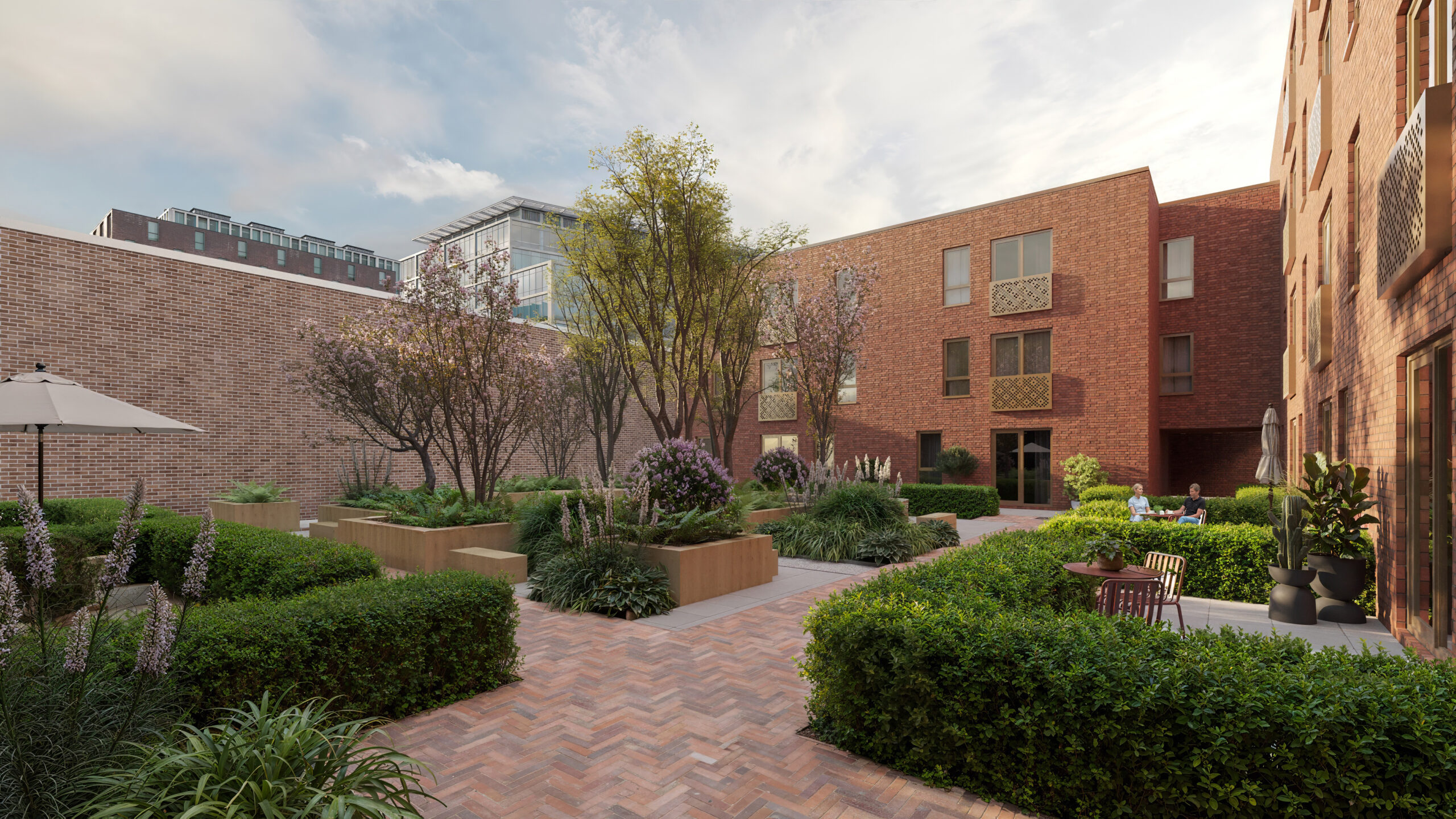
The Yard in Birmingham
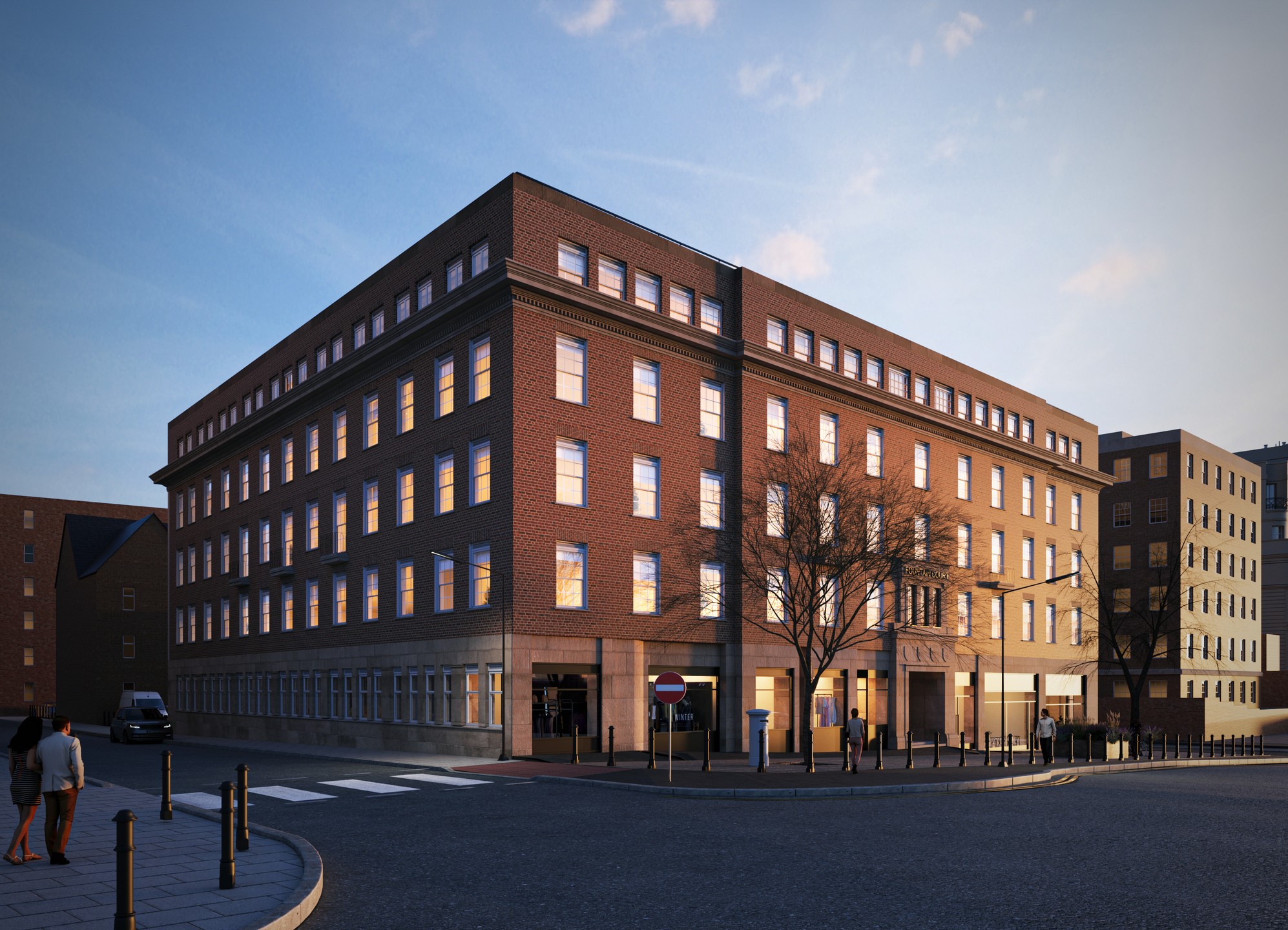
Fountain Place in Birmingham
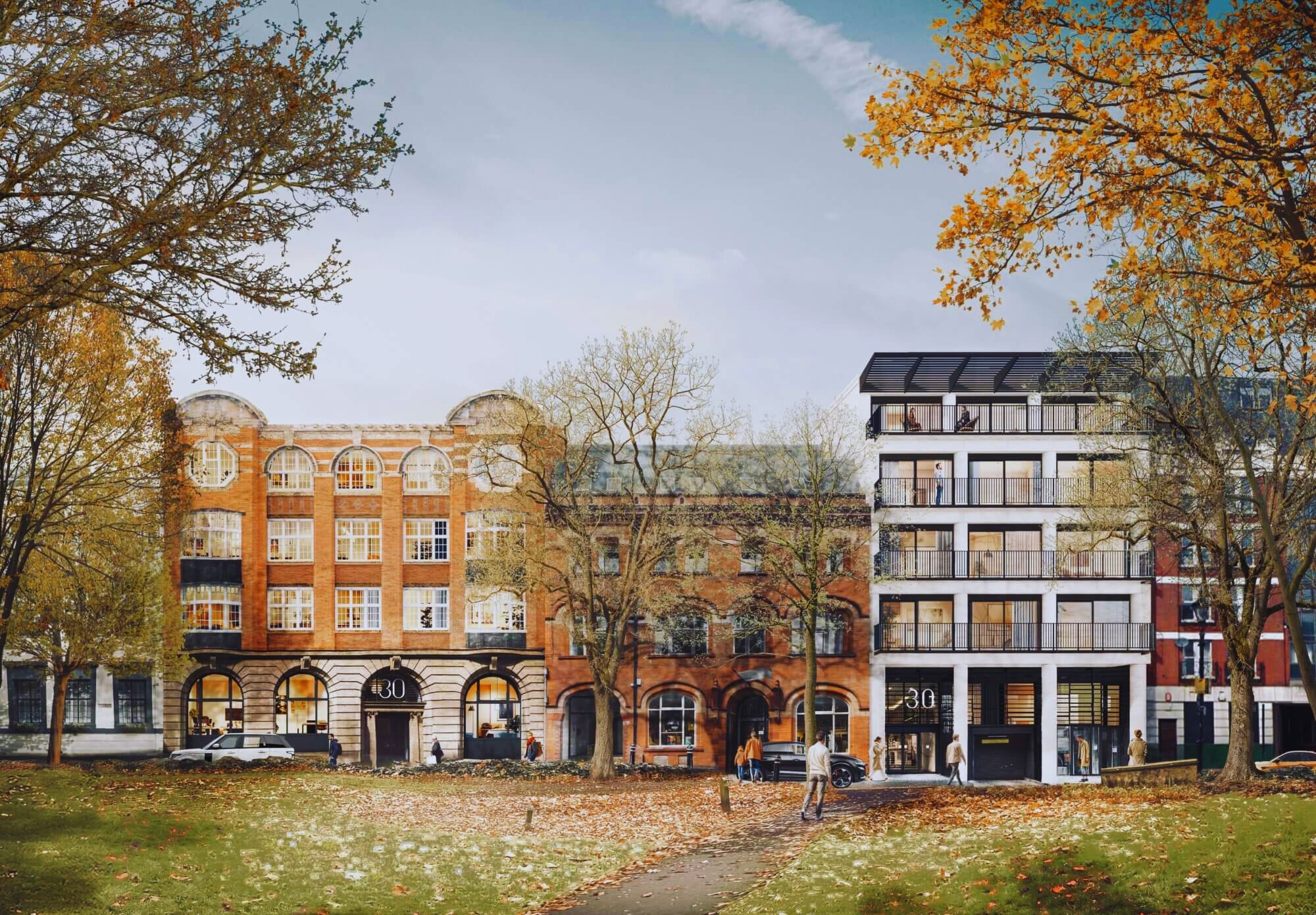
The Mayfair of Birmingham
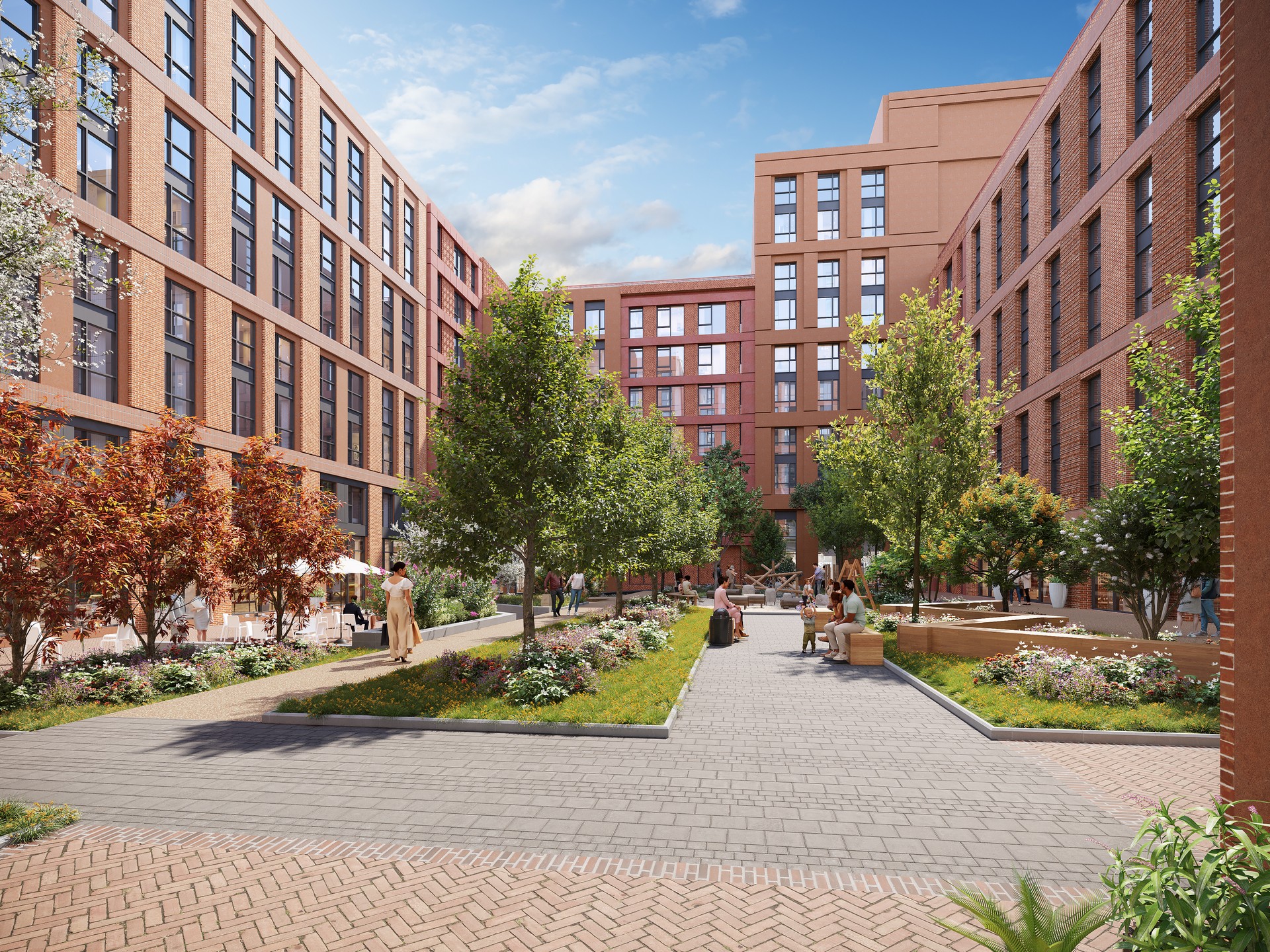
Smithfield in Birmingham

The Boulevard Birmingham

Why Invest With 365 Invest?
365 Invest provides access to residential property investment opportunities across established UK markets, including Birmingham. With more than 30 years’ experience in real estate, our team supports investors throughout the property investment process.
From identifying suitable investment opportunities to working with trusted professionals throughout the purchase, our approach is designed to give investors the information and support they need to make informed decisions.
Whether you’re investing for the first time or adding to an existing portfolio, explore our Birmingham opportunities or speak with our team about your investment requirements.
Frequently Asked Questions About Birmingham
- Is Birmingham a good place to invest in property?
Birmingham has several characteristics that can support residential property investment, including a population of more than 1.18 million, a large student population, a diverse employment base and substantial investment in infrastructure and development. However, investment performance depends on the individual property, location, purchase price, rental income and associated costs.
- Is Birmingham property affordable compared with London?
Birmingham’s average property prices are substantially lower than those in London, although prices vary considerably between areas and property types. The latest ONS data recorded an average Birmingham house price of £234,000 in June 2026.
- What is the average rent in Birmingham?
The average private rent in Birmingham was £1,093 per month in July 2026. Average rents were £825 for one-bedroom properties, £997 for two-bedroom properties, £1,127 for three-bedroom properties and £1,569 for properties with four or more bedrooms, according to ONS data.
- Which areas of Birmingham are best for property investment?
There is no single best area for every investor. City-centre locations, Jewellery Quarter, Digbeth, Selly Oak, Edgbaston and areas undergoing regeneration can offer different investment characteristics. The appropriate location depends on the intended tenant market, investment strategy, budget and expected returns.
- Is Birmingham good for buy-to-let investment?
Birmingham has a substantial private rental market supported by students, professionals, families and other households. Investors should assess achievable rent against the property’s purchase price, financing costs, maintenance, management, void periods and other expenses before purchasing.
- What type of property is best for investment in Birmingham?
The most suitable property depends on the investment strategy. Apartments may suit city-centre and professional rental markets, while houses can appeal to families or shared accommodation markets. Student-focused properties may be appropriate in areas close to universities. Each property should be assessed individually rather than relying solely on the property type.
- Are Birmingham property prices expected to increase?
Savills’ current mainstream residential forecast projects 24.6% house price growth across the West Midlands between 2026 and 2030, compared with 22.2% across the UK. This is a regional forecast and does not guarantee future Birmingham property price growth. Actual performance can vary significantly between properties and locations.
- What should I consider before investing in Birmingham property?
Investors should consider purchase price, achievable rent, rental demand, property type, tenant profile, financing costs, service charges, maintenance, management fees, void periods, taxation and potential resale demand. Local factors such as transport links, employment, universities, regeneration and planned infrastructure should also form part of the assessment.