Introduction to Public Transport in Liverpool
Liverpool’s public transport infrastructure plays an important role in the city’s appeal to buy-to-let investors.
Its well-connected network links neighbourhoods across the city, making it easy for professionals, students, and families to travel. This supports strong tenant demand across a wide range of rental properties.
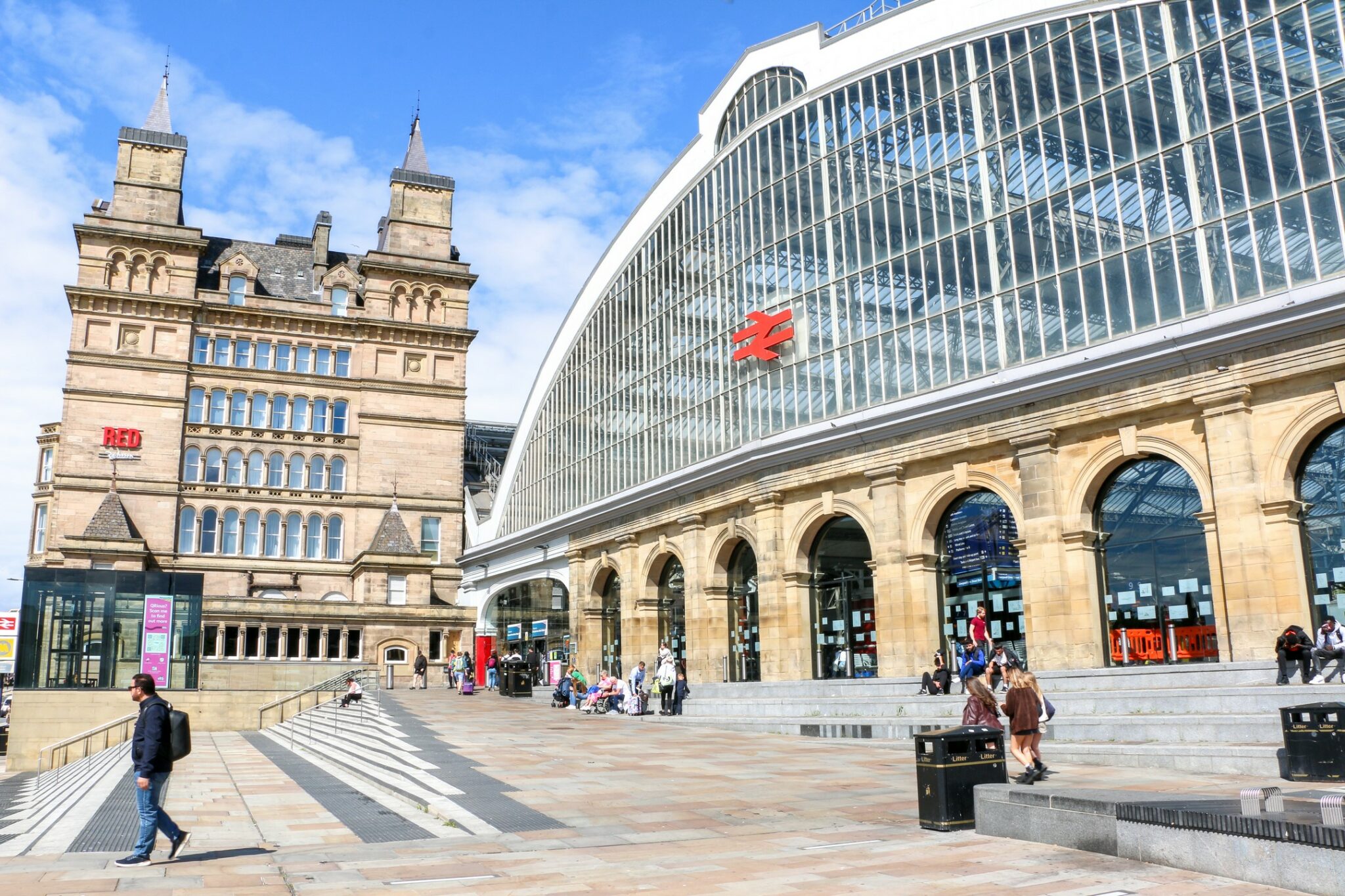
Liverpool’s transport network includes the well-known Merseyrail system, which connects the city centre with surrounding areas. Major stations such as Liverpool Lime Street and Liverpool Central provide convenient access to employment centres, universities, and popular residential locations.
The city’s extensive bus network further improves accessibility by providing regular services throughout Liverpool.
For property investors, homes located close to public transport often attract higher tenant demand and offer stronger long-term rental potential.
Table of Contents
Table of Contents
Connectivity and Convenience
Extensive Rail Network
Liverpool’s rail network, led by Merseyrail, provides excellent connections across the city and neighbouring areas.
Key benefits include:
- Easy commuting throughout Liverpool.
- Direct links to surrounding regions.
- Convenient travel to Manchester and other nearby cities.
Major stations include:
- Liverpool Lime Street.
- Liverpool Central.
- Moorfields.
These stations provide quick access to employment centres, shopping districts, and local amenities.
Bus Services
Liverpool’s extensive bus network serves every part of the city.
Major operators include:
- Arriva.
- Stagecoach.
The Liverpool ONE Bus Station acts as a central transport hub, allowing passengers to transfer easily between different services.
Ferries and Water Taxis
The iconic Mersey Ferry offers both a practical transport option and a popular tourist attraction.
It connects the Wirral Peninsula with Liverpool City Centre, benefiting residents in areas such as:
- Wallasey.
- Birkenhead.
Accessibility for Students
Proximity to Universities
Liverpool is home to several leading universities, including:
- University of Liverpool.
- Liverpool John Moores University.
- Liverpool Hope University.
Excellent public transport allows students to travel easily between accommodation, campuses, and city amenities.
This strong connectivity helps maintain consistent demand for student rental accommodation.
Prime Rental Areas
City Centre
Liverpool City Centre remains one of the strongest rental markets in the region.
Popular neighbourhoods include:
- Baltic Triangle.
- Ropewalks.
These areas attract students and young professionals thanks to their vibrant lifestyle, entertainment, and excellent transport connections.
Close proximity to Liverpool Lime Street Station further increases their appeal.
Suburban Areas
Suburbs including:
- Allerton.
- Woolton.
- Mossley Hill.
offer a quieter lifestyle while remaining well connected to the city centre.
These areas are particularly attractive to families and professionals seeking a balance between suburban living and city convenience.
Direct rail services from Mossley Hill and West Allerton stations make commuting straightforward.
Docklands and Waterfront
The regeneration of Liverpool’s waterfront, including:
- Albert Dock.
- Liverpool Waters.
has transformed these locations into highly desirable residential areas.
Excellent rail and bus connections, together with nearby business districts and leisure attractions, continue to support strong tenant demand.
Future Developments
Transport Infrastructure Investment
Liverpool continues to invest in its transport infrastructure.
Projects include:
- Expansion of the Merseyrail network.
- Improvements to bus services.
- Proposed new railway stations.
- Better regional connectivity.
These investments are expected to strengthen the city’s property market and improve long-term rental demand.
Sustainable Transport
Liverpool is also investing in more sustainable travel options.
These include:
- Improved cycling routes.
- Better pedestrian infrastructure.
- Continued public transport improvements.
These initiatives support growing tenant demand for sustainable, well-connected communities.
Conclusion
Liverpool’s extensive public transport network remains one of the city’s strongest advantages for buy-to-let investors.
Excellent connectivity increases the appeal of rental properties across Liverpool, whether targeting professionals working in the city centre or students attending nearby universities.
Properties located close to transport hubs such as Liverpool Lime Street and Merseyrail stations continue to benefit from strong tenant demand.
Ongoing investment in rail, bus, cycling, and pedestrian infrastructure demonstrates Liverpool’s long-term commitment to connectivity and economic growth.
For investors, choosing properties in well-connected locations can help support consistent rental demand, stable yields, and long-term capital growth as the city continues to develop.

Property values can decrease as well as increase. Forecast metrics are illustrative projections. Full advisory terms apply.