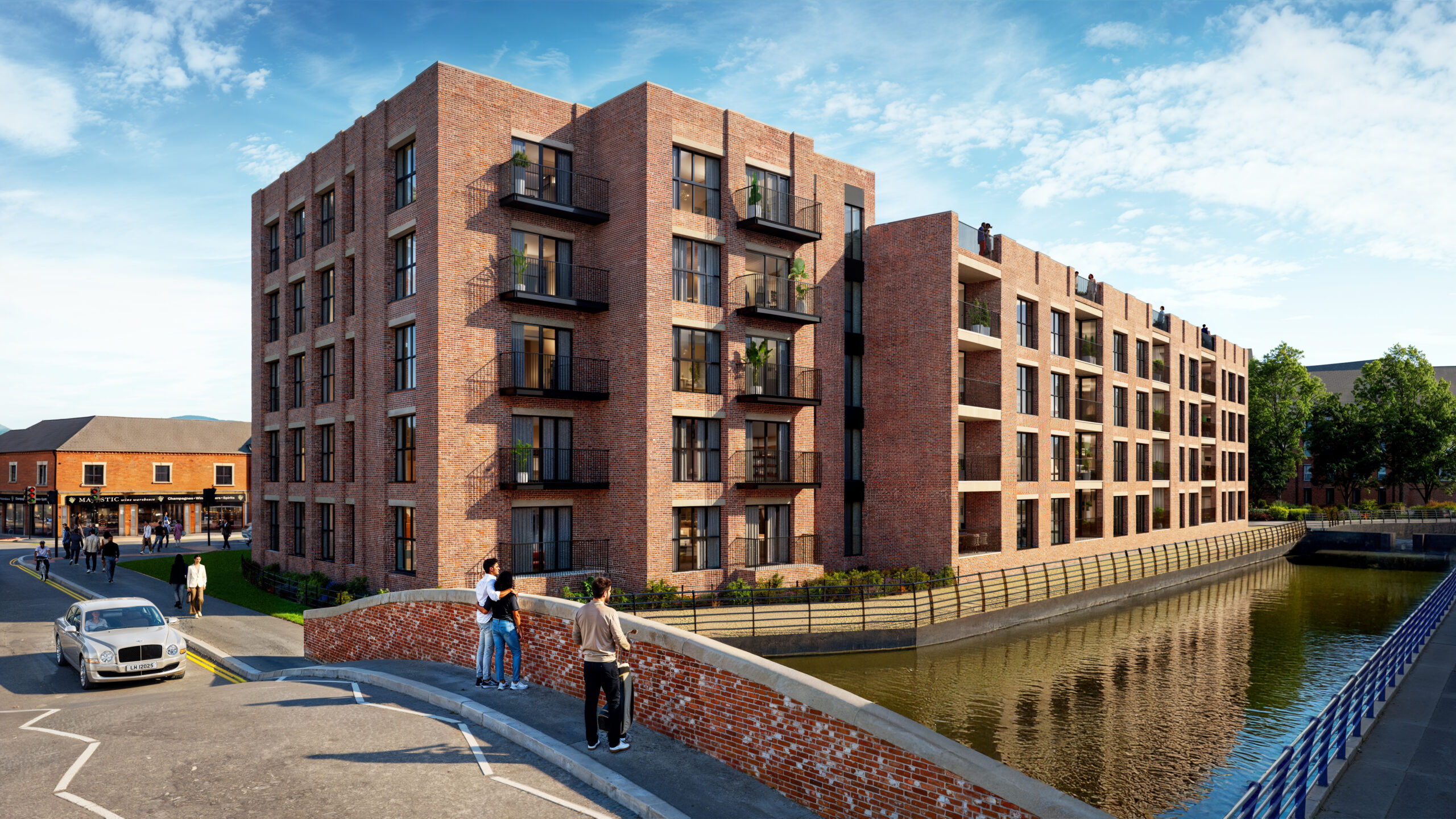
Discover Dubai
Dubai property investment continues to attract UK and overseas investors seeking diversification beyond domestic markets. This demand is supported by Dubai’s pro‑business environment, strong global appeal and clearly defined ownership structures, particularly when compared with many UK and European markets.

Search Investments in Dubai
Investment
Location
Development Type
Temporary Accordion Header
Bedrooms
Bathrooms
Completion Date
Key Ready
Finance Available
Guaranteed Rental %

Mercedes-Benz City in Dubai

Burj Binghatti in Dubai

Ghost in Dubai

Hillcrest in Dubai

One River Point in Dubai

Eltiera Views in Dubai

Meriva Dubai Islands in Dubai

Apex in Dubai

Aquarise in Dubai

Portside Square in Dubai

Why Investors Consider Dubai Property Investment
Dubai is one of the most established global property markets, shaped by decades of overseas ownership, inward migration and economic growth. Its position as a global business hub has helped create a market designed specifically to attract international capital.
Investors are typically drawn to Dubai property investment for a combination of factors, most notably tax structure, population growth, market transparency and competitive entry prices.
Tax environment
Dubai is widely recognised for its low personal tax environment. While tax outcomes depend on individual circumstances, the absence of income tax and ongoing property ownership taxes under current rules is a key consideration for many international investors.
Population growth and rental demand
Dubai attracts a large expatriate workforce, international entrepreneurs and professionals, supporting rental demand across established residential communities and employment hubs. For many investors, population growth, world‑class infrastructure and a well‑regulated market underpin confidence in Dubai’s long‑term value proposition, while supporting rental income potential across established residential communities.
Ownership framework and regulation
Dubai offers clear legal structures for overseas buyers, with designated ownership zones, centralised registration and a property market that has long catered to international investors. For some buyers, this clarity is complemented by entry prices that compare favourably with other global cities.
Lifestyle and infrastructure
Many investors also value the ability to combine rental use with personal occupancy. Dubai’s modern infrastructure, global connectivity, healthcare and education facilities support long‑term residency and lifestyle planning, which can also broaden rental appeal across different tenant profiles.
Taken together, these factors have shaped how the Dubai property market operates for overseas buyers.
From a market perspective, international buyers most commonly focus on apartments in established residential and mixed‑use communities, where clear ownership frameworks, professional management and consistent rental demand align with Dubai’s appeal to overseas investors.
Key market characteristics include:
- Purpose‑built residential developments
- International design and management standards
- Professional on‑site or third‑party management
- Active resale markets in established locations
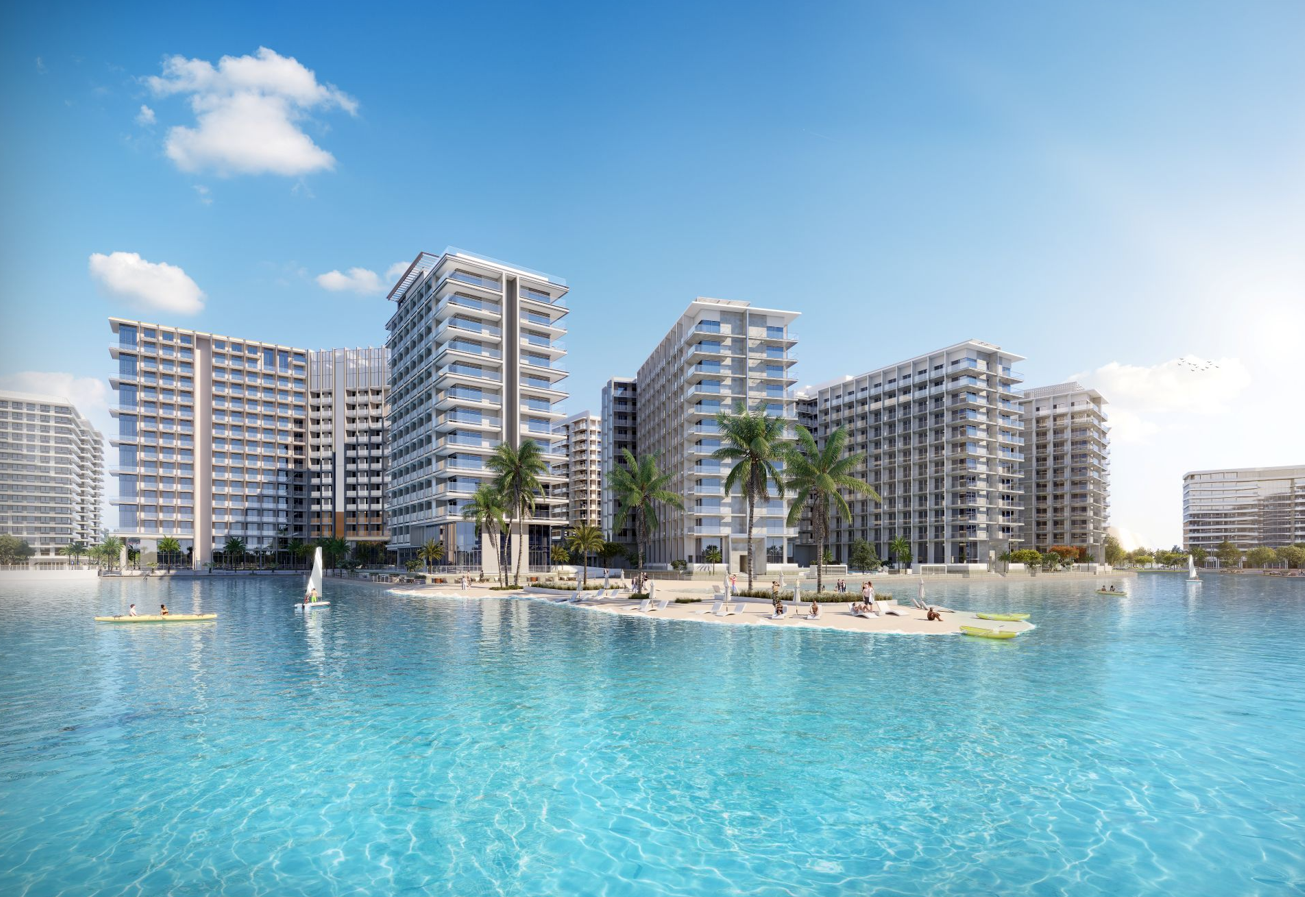

"Dubai is one of the most established global property markets, shaped by decades of overseas ownership, inward migration and economic growth. "

Ownership Framework For Overseas Investors

Property ownership in Dubai differs from the UK, but the market is underpinned by clear, long‑established legal frameworks designed to support overseas ownership.
In practical terms:
- Foreign investors can typically purchase property in designated ownership zones
- Ownership structures vary by development and location
- Clear registration and conveyancing processes exist when handled correctly
Ownership structure can also influence taxation and estate planning, making professional advice particularly important. This regulatory clarity is one of the key reasons Dubai continues to attract international property investors.
Tax Efficiency Considerations
Dubai is often viewed by investors as having a comparatively straightforward property tax environment.
Investors are commonly attracted by:
- The absence of annual property ownership taxes
- No equivalent of UK council tax on residential property
- No personal income tax on rental income under current rules, subject to individual circumstances
When considered alongside population growth and rental demand, Dubai’s approach to property taxation is one of the central factors that continues to attract international investors to the market.
It is important to note that tax outcomes depend on structure, residency and personal circumstances.

Visa and Residency Considerations
Property investment in Dubai is often linked with lifestyle and relocation planning.
Dubai offers a range of long‑term visa options, including:
- Property‑linked residence visas (subject to eligibility)
- Long‑term residency visas for investors and professionals
- Retirement‑focused residency options
These visa options support long‑term residency for professionals, entrepreneurs and families, contributing to population stability and adding to Dubai’s appeal as a market that can support both investment and lifestyle objectives.
(Property ownership does not guarantee residency, and visa rules can change and must always be verified).

Ownership Costs and Property Management
Dubai’s cost of living varies by area and lifestyle, but operating costs for property investors are often considered competitive relative to other global cities.
For investors, this can support:
- Professionally managed buildings with predictable costs
- Strong tenant demand across established communities
- Efficient property management and maintenance structures
Together, these factors contribute to Dubai’s appeal as a market where ownership and operating costs are clearly defined and professionally managed.

Rental Demand and Investment Use Cases
Dubai property is commonly used for:
- Long‑term rentals to expatriates and professionals
- Short‑term or serviced accommodation where permitted
- Mixed personal use and rental strategies
Long‑term rental demand is particularly influenced by Dubai’s growing expatriate workforce and ongoing inward migration.
Professional management is particularly important in overseas markets. As a result, Dubai investment opportunities are commonly structured with management solutions already in place or available from day one, which also plays a role in ongoing operating costs.

Key Considerations
As with all overseas property investment, Dubai involves additional considerations:
- Legal and regulatory frameworks differing from the UK
- Currency and exchange‑rate movements
- Market performance varying by location and cycle
- Exit liquidity depending on timing and demand
These considerations highlight the importance of taking a structured, informed approach when investing in regulated, fast‑moving international markets such as Dubai. Experienced professionals can help investors understand local rules, assess risks and approach the market with greater clarity.
How 365 Invest Supports Dubai Property Investors
365 Invest helps international investors, including UK‑based buyers, explore Dubai property investment with clarity and structure.
Our role includes:
- Explaining how overseas property investment differs from UK buy‑to‑let
- Setting out opportunities and risks clearly
- Introducing trusted legal, tax and currency specialists
- Providing a UK‑based point of coordination
If you would like to discuss Dubai property investment in more detail, the 365 Invest team can help you explore the options available and the considerations involved.
Frequently Asked Questions About Dubai
- What makes Dubai a good location for investment properties?
Dubai is one of the world’s most recognised international property markets, known for its large expatriate population, business‑friendly environment and continued infrastructure investment. For many investors, Dubai offers access to a globally connected city with strong rental activity and a different economic cycle to the UK, supporting portfolio diversification. You can learn more about our broader investment approach on the 365 Invest homepage.
- What types of investment properties are available in Dubai?
Investors can access off‑plan developments, newly completed apartments and ready‑to‑let units within designated freehold zones. Each option has different entry pricing, timelines and income characteristics, so understanding the structure of the asset is important before proceeding.
- How does the buying process work in Dubai?
The process typically involves reserving a property, entering into a sales agreement, following a staged payment schedule and completing on handover. We coordinate introductions and support transaction progression to help ensure clarity throughout the purchase.
- Can overseas investors buy property in Dubai?
Yes. Overseas investors can purchase property in approved freehold areas, subject to local regulations and compliance requirements. All buyers must complete identity verification and provide source‑of‑funds documentation in line with international AML standards.
- Is there strong rental demand in Dubai?
Dubai has a substantial rental population driven by its international workforce and business environment. Demand levels vary by district, property type and price point. Occupancy and achievable rents depend on location, quality and prevailing market conditions at the time of letting.
- What costs should I consider when investing in Dubai property?
In addition to the purchase price, investors should factor in registration fees, service charges, maintenance, management fees and borrowing costs where applicable. Understanding the full cost profile is important when assessing potential net returns.
- Are there tax advantages to investing in Dubai property?
Dubai operates under a different tax framework to the UK, and in some cases there may be no local income tax on rental income. This can be an attractive consideration for certain international investors. However, tax treatment depends on your country of residence, ownership structure and personal circumstances, so independent tax advice should always be obtained before proceeding.
- Can property investment in Dubai support residency or visa eligibility?
Certain investment thresholds may be linked to residency options under UAE regulations. Eligibility criteria, minimum investment values and visa terms can change, and approval is not automatic. Investors should obtain up‑to‑date advice from authorised immigration or legal professionals before making decisions based on visa considerations.
- What support does 365 Invest provide for Dubai investments?
We support investors with market selection, developer introductions, transaction coordination and post‑completion management introductions. Current overseas opportunities can be viewed on our International Developments page.