How buy-to-let mortgages work, key terms, and what lenders check, a simple primer so you can prepare your case and avoid delays.
If you spend any time around property investors, one thing becomes clear very quickly: the mortgage you choose can shape the success of your deal.
Buy-to-let mortgages aren’t just “normal mortgages for rentals”. They’re structured differently, assessed differently, and they behave differently over time. If you’re considering your first investment, or reviewing your current portfolio, it’s worth understanding what’s really going on behind the scenes.
What Actually Makes a Mortgage “Buy-to-Let”?
The key difference is intent. With a residential mortgage, the lender is primarily interested in you, your salary, your stability, and your personal affordability.
With a buy-to-let mortgage, the focus shifts to the property itself. The big question becomes:
Will the rent comfortably cover the debt?
Lenders assess the expected rental income and apply what’s known as a stress test. Typically, they want to see the rent covering 125–145% of the mortgage payment at a notional interest rate. It’s their way of building in a safety margin.
In simple terms, the deal has to stack up on paper before they’ll fund it.
Deposits: Why They’re Higher
Buy-to-let is viewed as higher risk than owner-occupied lending. If finances get tight, people prioritise the roof over their own head before an investment property.
Because of that, deposits are usually 20–25% at minimum. In some cases, particularly with limited company purchases or specialist properties, it can be more.
A bigger deposit lowers the lender’s risk and often gives you access to better rates.

Interest-Only vs Repayment: A Strategic Choice
Most landlords opt for interest-only. Why? Because it keeps monthly payments lower and improves monthly cash flow. That extra margin can act as a buffer for maintenance, void periods, or rate increases.
The trade-off is that the loan balance doesn’t reduce over time. You’re relying on either property appreciation, portfolio growth, or a defined exit strategy to clear the capital at the end of the term.
Repayment mortgages do reduce the debt steadily, but they also squeeze cash flow. There’s no universal “right” answer, it depends on whether your focus is income today or debt reduction over time.
It’s Not Just About Getting Approved
One of the biggest misconceptions we see is investors focusing purely on whether they can get a mortgage, rather than whether the structure supports their long-term strategy.
Questions worth asking include:
- How sensitive is this deal to interest rate rises?
- Does the rental yield justify the capital tied up?
- Would refinancing in 2–5 years improve cash flow?
- Is this purchase aligned with portfolio growth, or just opportunistic?
Finance should support your investment plan, not dictate it.
The Real Costs New Investors Underestimate
The mortgage is only one piece of the puzzle.
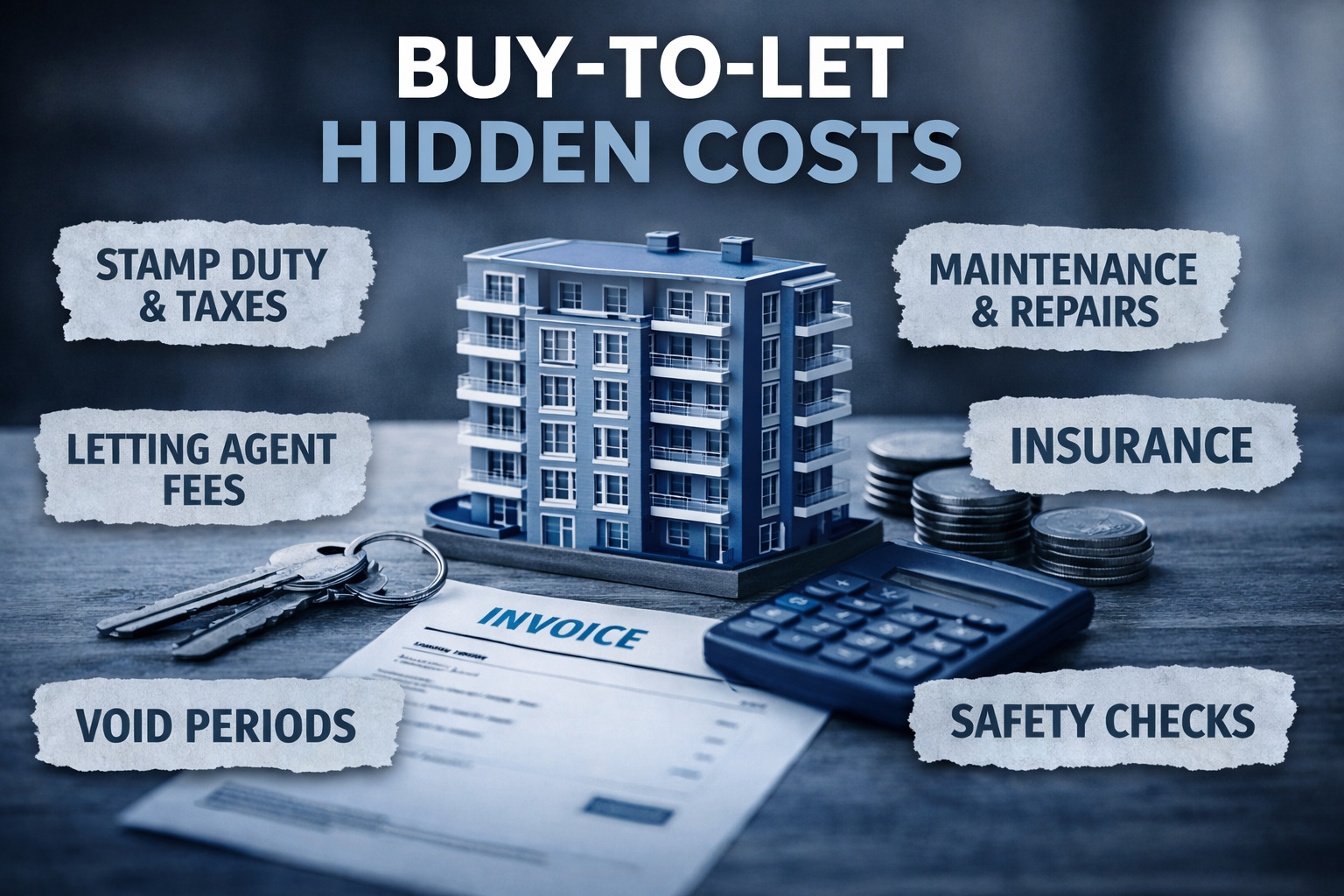
There’s stamp duty (including the additional property surcharge), legal fees, broker fees, valuation costs, insurance, compliance certificates, ongoing maintenance, and of course, the possibility of void periods.
Experienced investors build these into their numbers from day one. New investors often learn them the hard way.
Cash flow isn’t just rent minus mortgage. It’s rent minus everything.
Tax and Structure Matter More Than Ever
In recent years, tax treatment has become a major factor in how landlords structure purchases.
Some investors now operate through limited companies, while others continue buying in personal names. The right route depends on income levels, long-term plans, and exit strategy.
This isn’t an area to guess your way through. Specialist advice is essential before committing to a structure.
Is Buy-to-Let Still Worth It?
Despite regulatory changes and rate fluctuations, buy-to-let remains attractive for one reason: leverage.
Property allows investors to control large assets with comparatively smaller deposits. When structured correctly, this can accelerate portfolio growth and long-term wealth building.
But it’s not passive. It requires due diligence, buffers, and a clear strategy.
Final Thoughts
Buy-to-let mortgages aren’t complicated once you understand the mechanics, but the implications of choosing the wrong structure can be expensive.
At 365 Invest, we always encourage investors to step back and look at the bigger picture. The property matters. The location matters. But the finance behind the deal often determines whether it performs as expected.
Get the fundamentals right, and everything else becomes easier to manage.
Have questions about buy-to-let finance? Reach out via our contact page and we’ll point you in the right direction.