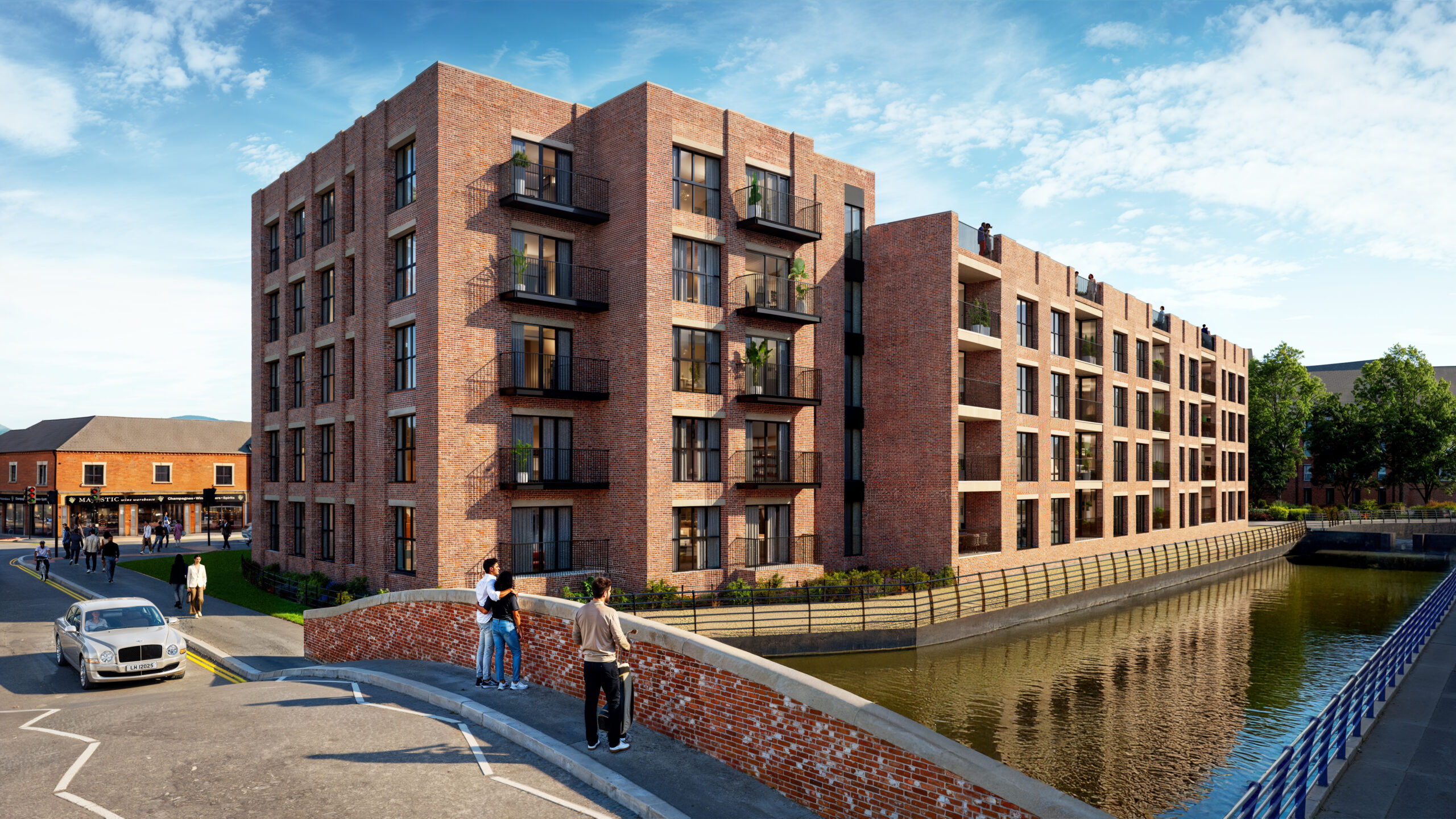
Can property ownership support residency in Cyprus? Investment thresholds, application routes and eligibility rules explained for overseas buyers.
If you’re a UK-based investor, chances are you’ve already looked at Spain, maybe Portugal, and then, at some point, Cyprus enters the conversation.
It doesn’t shout the loudest, but it tends to stick. Partly because the legal system feels familiar, partly because English is widely spoken, and partly because, compared to a lot of Southern Europe, prices haven’t completely run away yet.
But beyond the usual investment thinking, there’s another angle that comes up more often now: can property in Cyprus actually help with residency?
The short answer is yes. The longer answer is that it works, but only if you approach it properly and for the right reasons.
How Property in Cyprus Connects to Residency
Cyprus has clearly positioned itself to attract overseas buyers. Property in Cyprus can form the basis of a permanent residency application, particularly for non-EU nationals.
From experience, what investors tend to like is the clarity. The rules are set out, the process is relatively well-defined, and if everything is prepared correctly, it usually moves along without unnecessary delays.
That said, it’s not a “buy a flat, get residency next week” situation. There’s still a process to follow, and it needs to be done properly.
Investment Requirements for Property in Cyprus
There is a minimum investment level, and in most cases, the purchase needs to be a new property rather than a resale.
Some investors push back on that at first naturally, people like having the full market to choose from. But in reality, new property in Cyprus often fits better with what investors are trying to achieve anyway.
You’re typically looking at modern builds, better energy efficiency, and properties that are easier to rent out or hold long-term without constant upkeep. It’s not perfect in every case, but it generally aligns with a hands-off investment approach.

Who Can Benefit from Property in Cyprus
One detail that tends to get overlooked is that the residency isn’t just tied to one person. In most cases, family members can be included.
For UK investors thinking a few steps ahead, whether that’s future relocation, giving children options, or simply having flexibility that can be a meaningful advantage.
It shifts the purchase from being purely financial to something a bit more practical.
What Residency Through Property in Cyprus Offers
Permanent residency in Cyprus does what you’d expect: it gives you the right to live there without dealing with short-term visas or constant renewals.
There are some ongoing requirements. You need to keep hold of the property, and you’re expected to visit occasionally. But compared to other programmes, it’s relatively light-touch.
It’s also worth saying that this isn’t about getting a local job. Most investors we speak to aren’t looking for that anyway. It’s more about having a base, a fallback, or simply a lifestyle option that’s there if and when you want it.
Why Property in Cyprus Appeals to UK Investors
Looking at it purely from an investment perspective, Cyprus has a many things going for it.
Tourism remains strong, which supports short-term rental demand. There’s also a growing market for higher-quality long-term lets, particularly in well-located developments. And importantly, the legal framework doesn’t feel unfamiliar to UK buyers, which removes a lot of the hesitation people have when investing abroad.
There’s also the currency angle. Some investors like the idea of holding assets in euros, especially given how GBP has behaved at times over the years. It’s not the main driver, but it does come into the thinking.
And then, there’s the lifestyle piece. Even the most numbers-focused investors tend to admit it matters. If you’re going to own somewhere, it helps if it’s somewhere you actually want to spend time.

Final Thoughts on Property in Cyprus and Residency
So yes, buying property in Cyprus can lead to residency. But it tends to work best when it’s part of a wider strategy, not the only reason you’re buying.
For UK investors in particular, it offers a fairly balanced proposition: a tangible asset, exposure to a different market and currency, and the added benefit of residency in a stable, well-connected location.
It won’t be right for everyone, and it’s not something to rush. But when the property stacks up on its own: location, build quality, long-term demand, the residency side starts to feel like a very useful extra rather than the main event.
And in practice, that’s usually when these kinds of investments make the most sense.