Compare entry price, rents, transport and stock in London’s Zone 2 vs Zone 3. See who each area suits, typical tenants, and how to pick a starting patch for your plan.
Introduction
When we speak to first-time landlords researching London, the same question comes up almost every time: Should I buy in Zone 2 or go further out into Zone 3?
It’s a fair question. On paper, they’re only one zone apart. In reality, they can represent two quite different investment approaches.
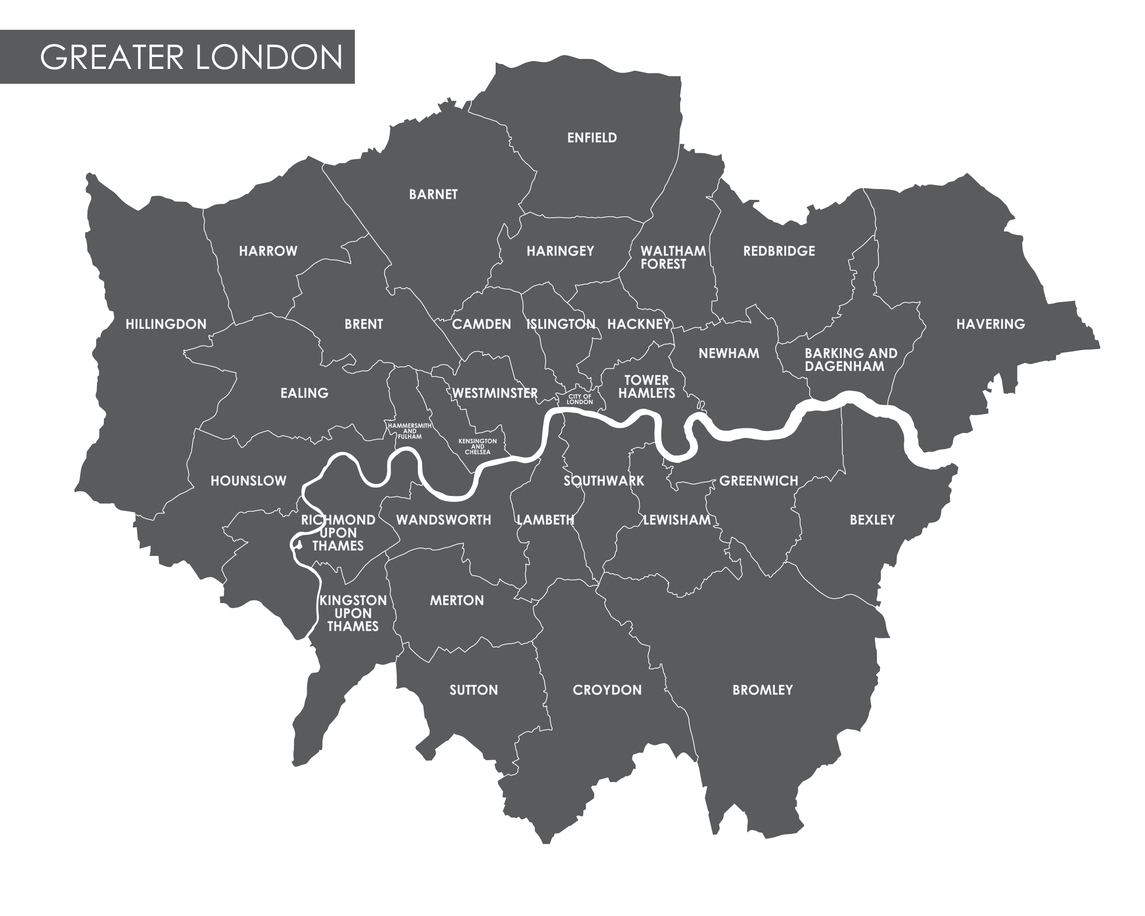
Zone 2 covers established inner London neighbourhoods like Clapham, Islington, Camden, Greenwich and Stratford. These are areas with strong identities, excellent transport and constant rental demand.
Zone 3 includes locations such as Wimbledon, Ealing, Lewisham, Acton and Tottenham. They’re still well connected, but you generally get more space, more residential streets and, importantly, a lower entry price.
The Price Reality When Buying In London
The biggest difference is the properties upfront cost.
Zone 2 property prices reflect their proximity to central London. You are paying for convenience. You are paying for shorter commutes. And you are paying for areas that already have a proven track record.
For a first-time landlord, that usually means stretching a little further on deposit and accepting that yields might not look spectacular on paper.
Zone 3 often feels more comfortable financially. The purchase price is lower, which can improve your percentage yield and reduce your exposure if the market softens. For many new investors, that breathing space matters.
Understanding average property prices is crucial for first-time landlords. The UK House Price Index provides official data on trends across London, helping investors make informed decisions.
Who Are You Renting To?
Zone 2 typically attracts young professionals, students and sharers. Demand is rarely an issue, particularly near a Tube station. Properties can let quickly, but tenants may move on after a year or two as jobs or circumstances change.
Zone 3 tends to attract couples and young families who want space without leaving London altogether. They are often thinking slightly longer term, which can translate into more stable tenancies.
Neither is better. It simply depends on whether you value premium rents with potentially higher turnover, or steadier occupancy with slightly lower monthly figures.
Yield Versus Growth
If you look purely at gross yield percentages, Zone 3 can sometimes come out ahead because the purchase price is lower relative to the rent achieved.
Zone 2, however, has historically delivered strong long-term capital growth and remains highly liquid. There is always demand from buyers and investors because the locations are established and well understood.
Zone 3’s growth story is often linked to infrastructure improvements and regeneration. As affordability continues to push buyers outward, well-connected areas can see meaningful uplift over time. For investors prepared to hold, that can be compelling.
It’s also worth checking official guidance on property investment. The UK Government property guide offers useful insights for new landlords navigating the market.
How the London Property Market Has Shifted
Tenant priorities have evolved. Hybrid working has made space more valuable. An extra bedroom or a small garden can now carry more weight than shaving ten minutes off a commute.
That change has strengthened parts of Zone 3 considerably. Being one zone further out no longer feels like a compromise if transport links are strong.

So, What’s the Smarter First Move?
If your goal is security through strong, consistent rental demand in an established inner London market, Zone 2 is hard to ignore.
If your goal is a lower entry point, stronger percentage yields and potentially longer tenancies, Zone 3 deserves serious consideration.
In truth, the zone itself is only part of the equation. Street selection, transport access and buying at the right price will always matter more than the number on the Tube map.
For first-time landlords, the right choice is the one that aligns with your budget and your appetite for risk. London remains structurally undersupplied, and both Zone 2 and Zone 3 continue to offer opportunity. The key is entering the market with clarity rather than assumption.
Ready to take the next step in your property journey? Speak to our 365 Invest specialists to find the right opportunity for you.