Specialist supported housing isn’t just a property investment, it’s meeting a real need. Investors can benefit from steady returns while helping people live independently for longer.
Why This Sector Matters Now
Have you noticed how much attention specialist supported housing is getting lately? There’s a reason for that. More people are living longer, and many want to stay independent while still having access to support. Regular buy-to-let properties don’t meet this need, but specialist supported housing does, and that’s why it’s becoming so attractive to investors.
It’s not just about returns either. These properties help meet a real social need, which makes investing here feel a bit more purposeful. For older adults, moving into a traditional care home isn’t always the right choice. They want somewhere that feels like home, familiar, comfortable, but with support available if they need it. Specialist supported housing provides that balance.
Growing Demand and Why It’s Happening
The UK’s population is ageing quickly. By the middle of this century, the number of people aged 85 and over is expected to double. At the same time, there’s a clear preference for independent living. Traditional care homes just don’t appeal to everyone anymore.
That’s where specialist supported housing comes in. Imagine a home where someone can cook their own meals, invite friends over, but still have help nearby if they struggle with day-to-day tasks. That’s the idea. Local authorities are increasingly supporting this type of housing because it helps take pressure off hospitals and social care services while giving residents a better quality of life.
And it’s not just theory. These homes often come with practical features like wider doorways, grab rails, and communal spaces, small touches that make a big difference. It’s independence, but with a safety net.

What Makes It Attractive to Investors
So why are investors starting to pay attention? First off, there’s stability. Many properties are leased to housing associations or care providers on long-term contracts. That means lower tenant turnover and steady income, something every property investor loves.
Government support adds another layer. Housing benefits and incentives can reduce financial risk, while local authorities are keen to see more of this housing built. And when you work with experienced property managers or care providers, a lot of the complexity is handled for you.
Then there’s growth potential. In areas where demand is high and supply is limited, property values can rise steadily. Rental yields are often better than standard buy-to-lets, especially in regions where specialist supported housing is scarce.
Getting Started Without Overcomplicating Things
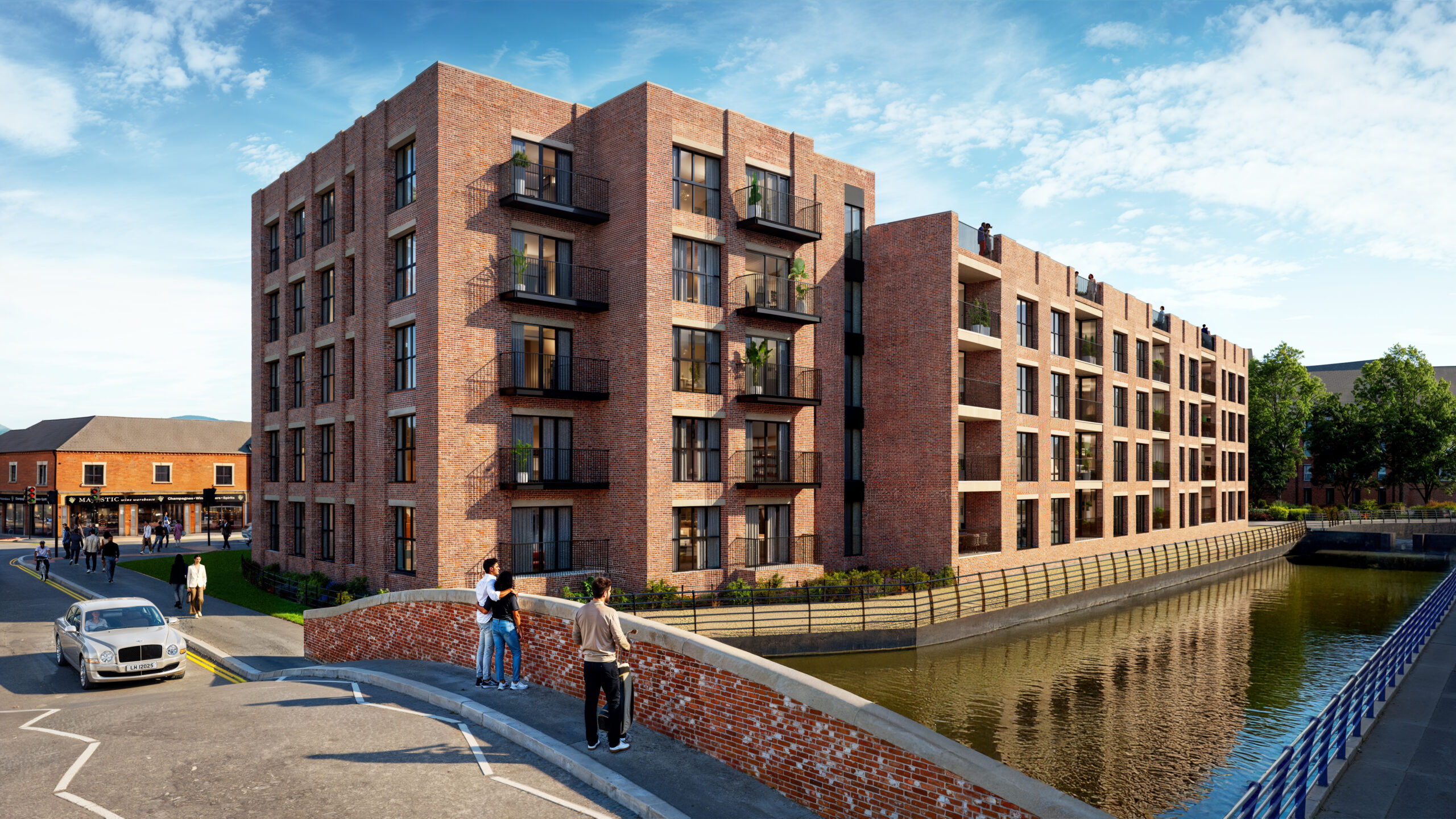
Investors have options. Some go for purpose-built developments. These are designed for accessibility and community living, with safety systems and shared spaces built-in.
Others convert existing properties. A bit of retrofitting such as wider doorways, accessible bathrooms, safety features and a standard home can become suitable for supported housing. This can be a clever approach where space for new builds is limited.
And here’s a tip: working with the right partners, such as 365 Invest matters. Property managers and care providers can handle compliance and operations, which makes life much easier. You don’t have to do everything yourself.

Looking Ahead: Why This Sector Isn’t Going Away
The future looks strong. People are living longer, and demand for independent living with support isn’t slowing down. That makes this sector a solid bet for long-term investment.
Technology is also changing things. Smart home systems, remote healthcare monitoring, and other innovations are making properties more efficient and appealing. Tenants are happier, and investors see better returns its a win-win.
Wrapping Up: The Opportunity Is Clear
Specialist supported housing combines purpose with potential. It offers social impact, steady income, and government-backed support, a rare mix in property investment. Whether you’re looking at new builds or converting existing homes, there’s real opportunity here.
For investors who want to diversify their portfolios while investing responsibly, this sector is worth paying attention to. Demand is rising, needs are growing, and there’s every reason to think that specialist supported housing will remain in demand for years to come.
If you would like to find out more please contact our specialists, we are happy to help.