Introduction
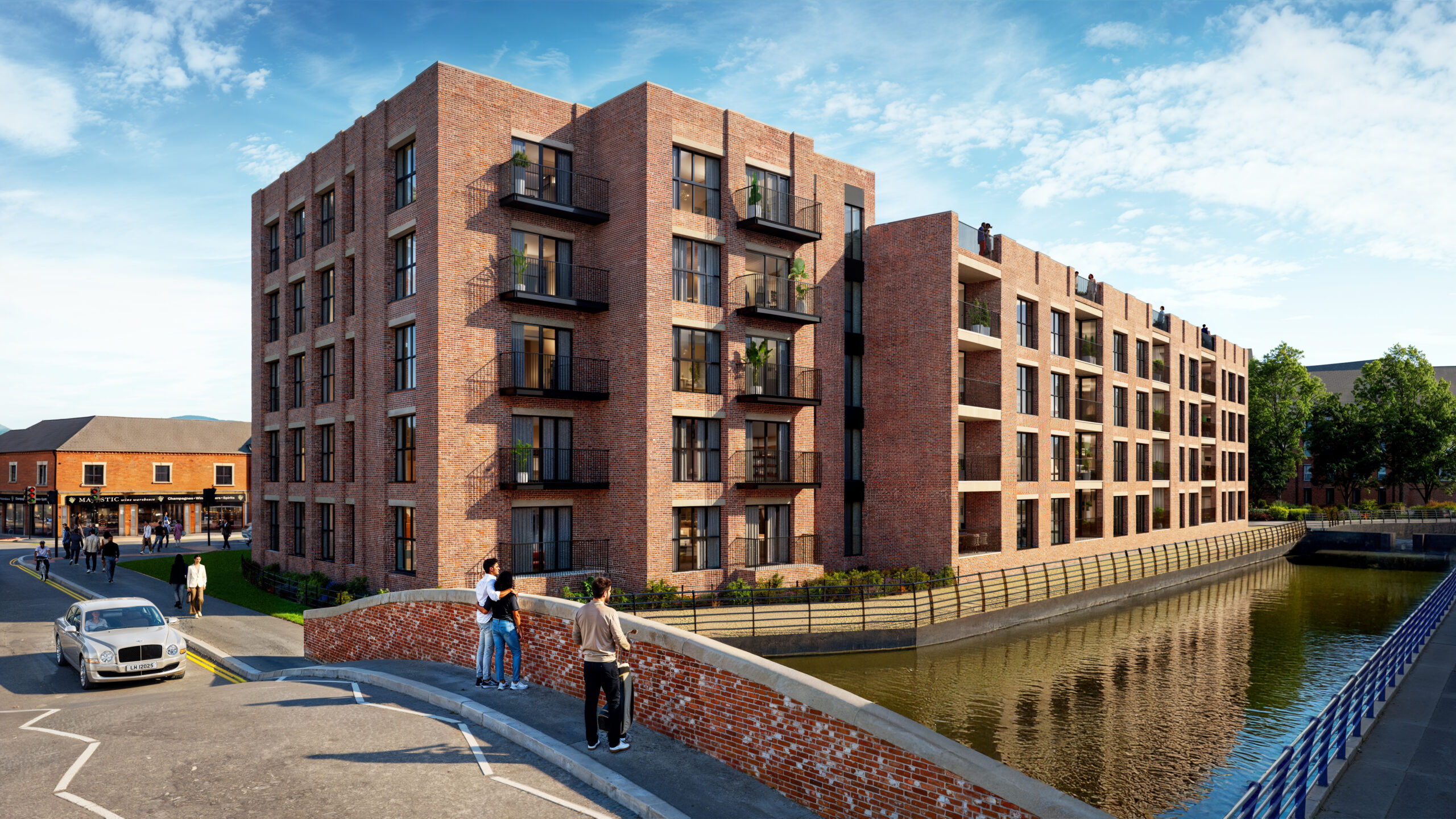
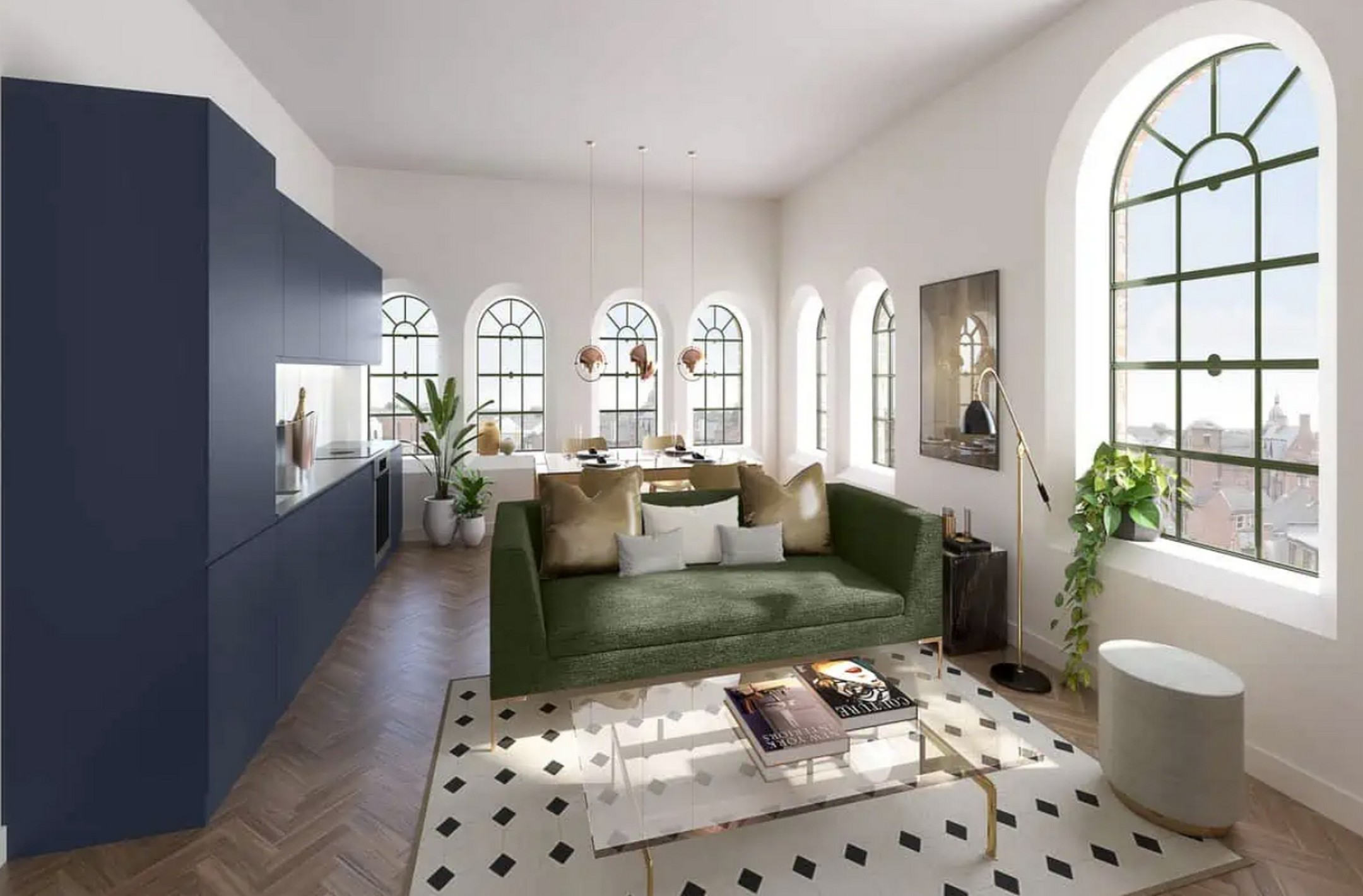
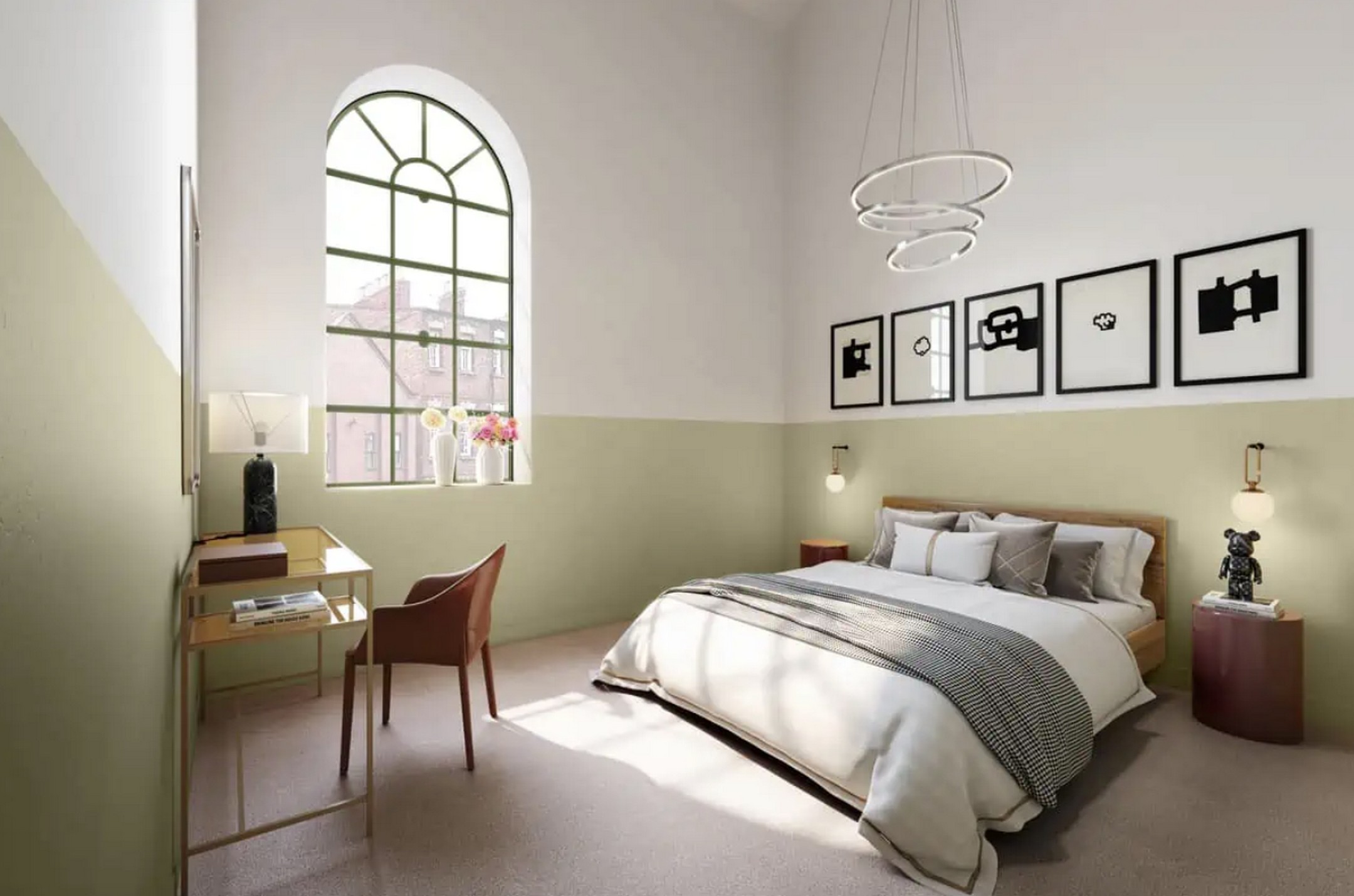
The Textile Building Development in Newark is set to redefine urban living with its unique blend of historic charm and contemporary design. This landmark Victorian building offers a collection of stylish, character-rich properties that stand out due to their impressive vaulted ceilings, which soar up to 3.6 metres. This design choice creates a light and airy atmosphere, enhancing the overall appeal of each residence.
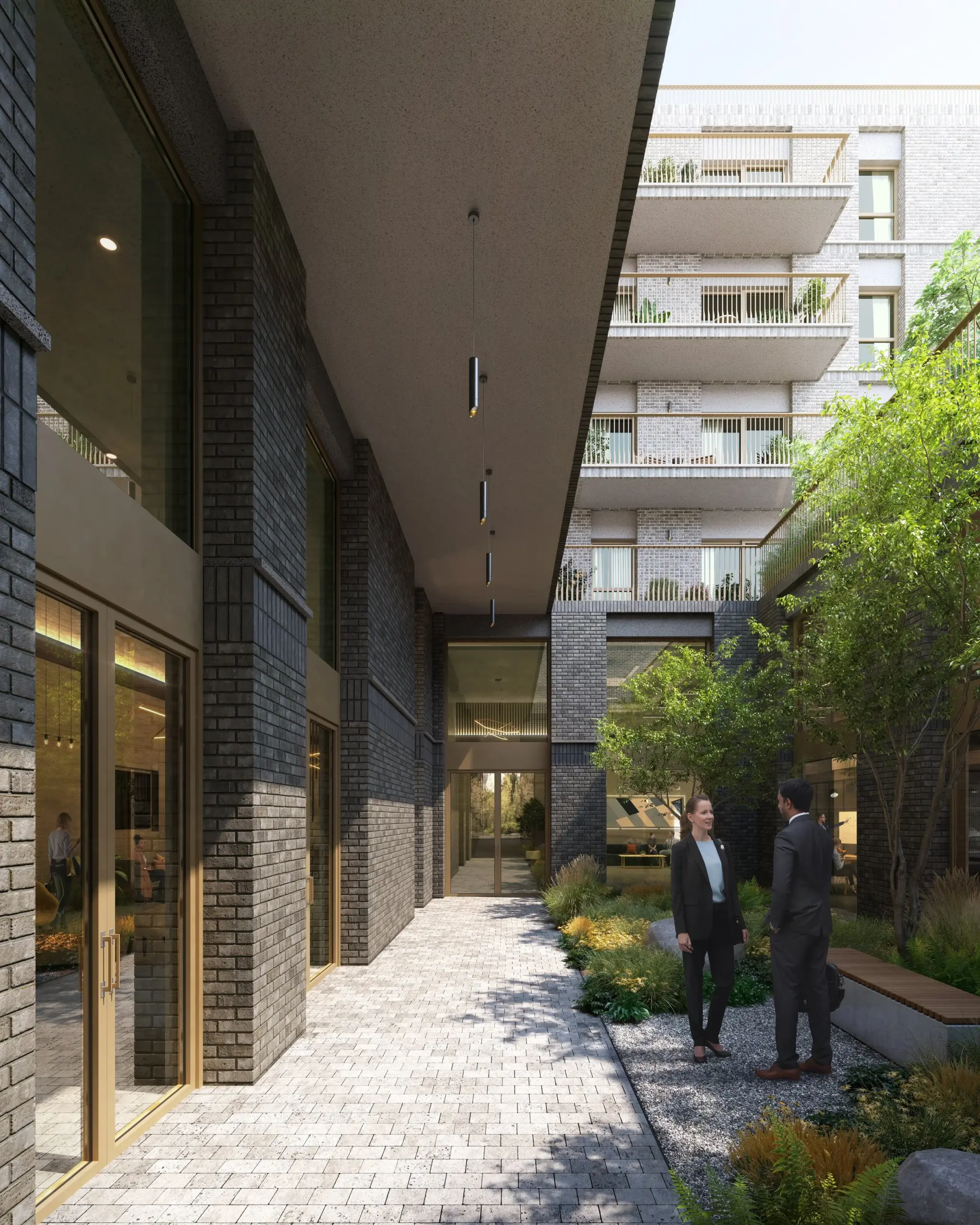
Beyond its architectural elegance, the Textile Building development is designed to cater to modern lifestyles with amenities that support work and leisure. Residents will enjoy access to a beautifully landscaped courtyard garden, perfect for unwinding after a busy day. The development also features a state-of-the-art co-working space, ideal for professionals and entrepreneurs who require a productive environment. Additionally, the communal library provides a quiet space for study and relaxation, making it an ideal choice for students and young professionals.
The Textile Building development rejuvenates a key site in Newark and offers a vibrant living environment that integrates historical significance with contemporary convenience. By combining these elements, the Textile Building represents a significant advancement in Newark’s urban renewal efforts, aiming to attract a diverse and dynamic community.
Historical Context
Early Beginnings: Newark’s involvement in the textile industry began in the 19th century, during the period of the Industrial Revolution when textile manufacturing was rapidly expanding across the UK. The town’s strategic location along the River Trent and its proximity to major transport routes made it an attractive site for textile production.
19th Century Development: In the 1800s, Newark saw the establishment of several textile mills and factories, focusing primarily on the production of wool and cotton fabrics. The town became known for its high-quality textiles, which were distributed both nationally and internationally. The growth of the textile industry in Newark contributed significantly to the local economy, providing employment and fostering the development of associated industries.
Early 20th Century: As the 20th century progressed, Newark’s textile industry continued to thrive, though it faced increasing competition from other regions and the impact of technological advancements. Despite these challenges, Newark remained a key player in the industry, with many local businesses adapting to changing market demands and technological innovations.
Decline and Transition: By the mid-20th century, the textile industry in Newark, like many other parts of the UK, began to experience a decline due to various factors, including the rise of global competition, changes in consumer preferences, and the decline of traditional manufacturing practices. Many textile mills closed or were repurposed for other uses, leading to a shift in Newark’s economic base.
Preservation and Renewal: In recent years, there has been renewed interest in preserving Newark’s textile heritage. The Textile Building Development is part of a broader effort to revitalise historical sites and celebrate the town’s industrial past. By repurposing former textile sites and integrating them into modern developments, Newark aims to honour its historical significance while contributing to contemporary urban renewal.
Legacy: The legacy of Newark’s textile industry is still evident today in the town’s historical architecture and cultural heritage. Efforts to preserve and repurpose these historical sites highlight the importance of Newark’s role in the UK’s textile history and ensure that this heritage continues to be recognised and celebrated.
Development Details
Located in the heart of Newark, the Textile Building development is a dynamic building that blends modern amenities with historical charm. The project offers a variety of attractive features designed to appeal to both residential and commercial interests. Properties are available starting from £132,500, with the potential for up to a 6.78% NET return, making it an appealing investment opportunity. Buyers will benefit from a 999-year lease, ensuring long-term security, and a £2,000 reservation fee, making securing a property straightforward.
One of the Textile Building development’s standout features is the absence of ground rent, which adds significant value by eliminating ongoing costs. The development includes two-bedroom units with parking spaces catering to modern living needs.
In addition to the residential units, the Textile Building development offers several communal amenities designed to enhance the living experience. These include a tranquil courtyard garden, ideal for relaxation, a co-working space that supports professional and business activities, and a communal library that fosters community engagement and provides a space for study and leisure.
Overall, the Textile Building development is set to become a key feature in Newark’s urban renewal. It will combine historical preservation with contemporary conveniences to create a vibrant and attractive environment for residents and businesses alike.
Impact on Newark’s Real Estate
The Textile Building development has notably impacted Newark’s real estate market. By revitalising a historically significant site, the project has contributed to an increase in property values in the surrounding area. Moreover, it has stimulated additional investment in urban renewal, enhancing the city’s appeal to both residents and businesses. This development demonstrates how historical preservation can harmoniously blend with modern advancements, ultimately fostering a vibrant and prosperous urban environment.
Conclusion
The Textile Building development is set to play a crucial role in Newark’s future by blending historical elements with contemporary design. This project exemplifies the city’s commitment to honouring its rich industrial past while embracing modern urban needs. By rejuvenating a historic landmark with stylish, functional living spaces, the development enhances Newark’s appeal and contributes to its revitalisation efforts.
Beyond its immediate impact, the Textile Building development sets a benchmark for future projects that seek to integrate historical preservation with innovative design. It reinforces Newark’s status as a forward-thinking city, demonstrating how thoughtful redevelopment can both celebrate a community’s heritage and drive its progress. This development revitalises a key area and positions Newark as a leader in harmonising historical charm with contemporary living.